// HACKER NEWS — CYBERSECURITY
Where did all the public bathrooms go?
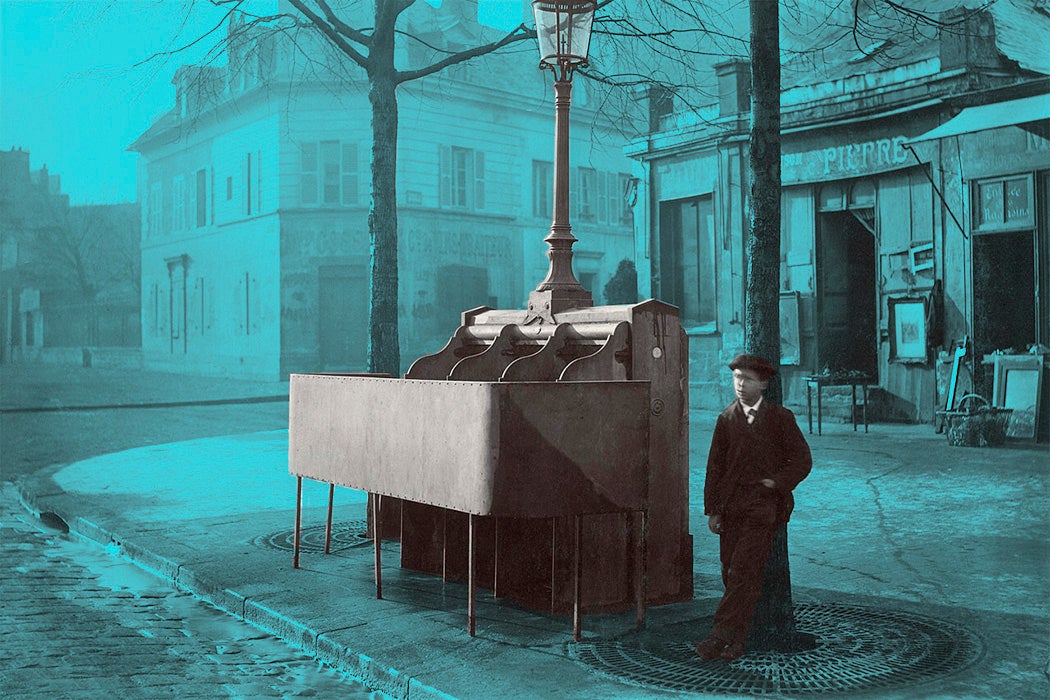
Here’s a pop quiz for you: What purpose did this little kiosk serve?
It’s quite a pretty little building—note the delicate grilles, the ornately etched glass, and the little bouquet of metal flowers bursting from the roof.
But of course, there is one key clue missing from the photograph: the smell. Or rather, the stench. This was one of Paris’s infamous public urinals—a pissoir (or vespasienne, if you’re inclined to be polite).
There was a moment around the mid-1800s in Paris when public urination began to be treated as a public health issue. A series of devastating cholera outbreaks led people to begin regarding human waste as a danger rather than a mere nuisance. Something had to be done.
Before that point, authorities had installed empeche pipi here and there—a kind of hostile architecture meant to prevent rogue peeing. This might take the form of a row of iron spikes blocking an enticing corner, or a piece of bullnose masonry meant to send the stream shooting back onto the offender’s shoes.
The most these interventions could do was shunt prospective pee-ers from one spot to another. But, in 1850, public urination was actually banned. People were going to need somewhere to go.
Enter the pissoir. When you can’t smell them, it’s easy to wish they were still around. Nowadays, public restrooms are utilitarian at best, but these looked like little palaces, crusted with iron flowers, shells, and scrolls—even, in some cases, tiny lions’ heads, glaring out as if to guard your back while you’re in the booth. On the other hand, the greatest concession most of them made to privacy was a little iron screen separating the user from the street.
Some were surmounted by glowing streetlamps, which served the joint purpose of making them easy to find and illuminating the advertisements with which they were liberally pasted. (Apparently, the perfumers and winemakers weren’t worried about unsavory associations with their product.)
Notably, they were only intended for use by men. The assumption was that women weren’t really much of a part of public life, and so wouldn’t need a way to relieve themselves while out on the street—kind of a self-fulfilling prophecy, if you think about it.
There was another use for the pissoir, which took their designers quite by surprise. Almost immediately, they became the favored meeting spot for men seeking rendezvous with one another. They were relatively private, secluded, and perfect for communicating anonymously with graffiti—the ideal release valve for a population that was prohibited from meeting publicly.