// HACKER NEWS — CYBERSECURITY
A brief history of federal lift ticket regulation
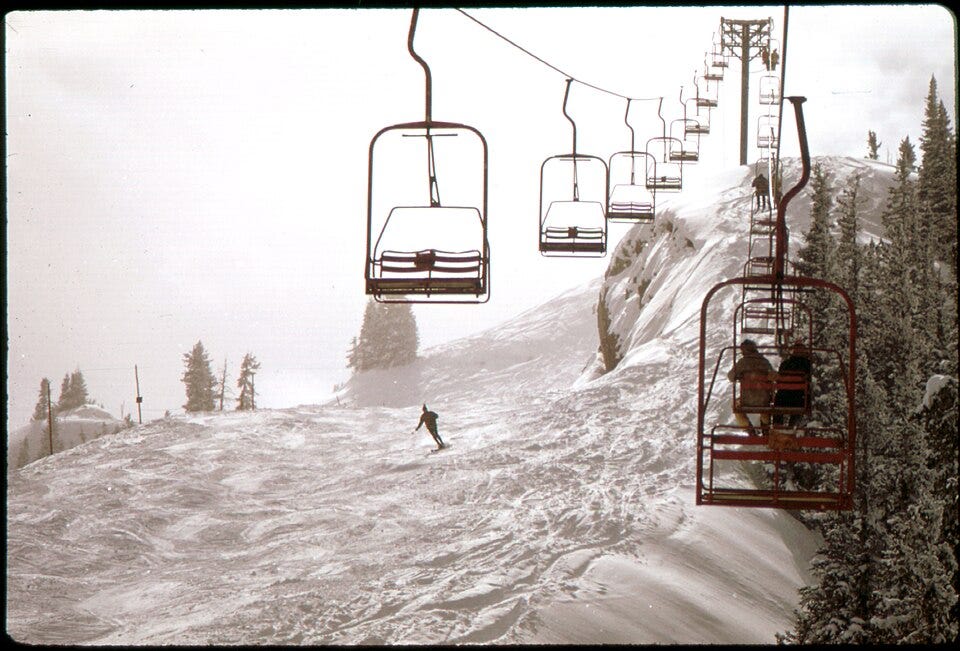
When the Aspen Skiing Company wanted to raise its lift ticket prices from $10 to $12 in 1975, it had to ask the US Forest Service for permission.
When Aspen residents wanted to fight the proposed price increase, they wrote letters to their local forest supervisor.
That’s the way ski business was done half a century ago: through a federal intermediary. Most ski resorts in the western United States operate under Forest Service permits, and in the 1970s, politicians, national forest employees, skiers, and ski resort owners all recognized that the agency had a mandate to regulate the prices charged by private companies on public land.
“These guys [ski company managers] would come in with their hat in their hand, literally, and be as polite as possible and say, ‘Can we raise our ticket price fifty cents or a dollar,’” recalled Erik Martin, a ski resort specialist in the 1970s for White River National Forest, which manages land used by the four Aspen-Snowmass area resorts.
At the time, ski areas had to renew a required operating permit with the Forest Service annually, and federal employees like Martin understood that stopping unreasonable rate hikes was part of the job.
“We controlled everything. They were our ski areas,” Martin told historian Michael Childers for his 2012 book Colorado Powder Keg: Ski Resorts and the Environmental Movement.
In 1975, Martin’s office was flooded with mail opposing Aspen’s proposed 20% lift ticket increase. U.S. Sen. Floyd Haskell, a Democrat from Colorado, took note of the controversy and demanded action as well. In the end, the Forest Service decided that Aspen could only raise prices by 10%, from $10 to $11.
Adjusted for inflation, the $11 lift ticket would have cost around $66 in 2026 dollars. A one-day ticket to Aspen costs $254 today. Vail, which had the same rates as Aspen in the mid-70s, is charging up to $356 for a day ticket this season, a 436% increase from its inflation-adjusted rates in 1975.
Although the Forest Service technically still has the ability to control prices at most ski resorts, the agency’s regulatory will has atrophied. Skiers angry about high parking fees, overpriced cafeteria lunches, long lift lines, and the disappearance of independent resorts may plaster lift poles with “Vail Sucks” stickers, but almost nobody thinks to demand action from their local Forest Service supervisor anymore.
What changed over the last fifty years? Industry deregulation that began under President Jimmy Carter and was embraced by subsequent administrations has allowed the ski industry to move ever closer to a duopoly — all while skiing costs rise and the Forest Service sits on its hands.