// PC GAMER — GAMING
Despite horrendous layoffs, obscene hardware prices, and everything else, Saber Interactive exec says 'this is a great time to be in the industry'
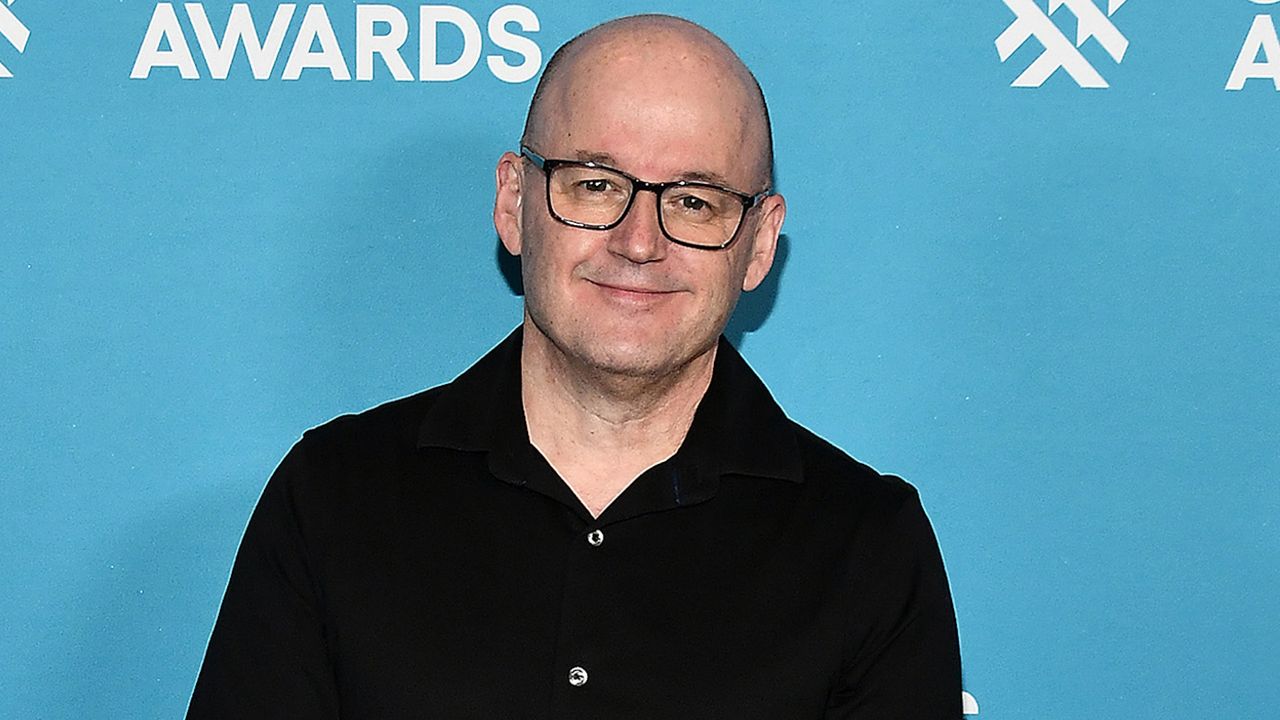
Saber CCO Tim Willits believes the availability of platforms like Fortnite and mobile devices are what really matters.
When you purchase through links on our site, we may earn an affiliate commission. Here’s how it works.
Generally speaking, this is not a great time for the videogame industry. Developers are being chewed up and spit out at previously unseen rates, while the AI-driven RAMpocalypse is driving component prices sky-high, putting upgrades and new systems out of reach for many. Despite all that, Saber Interactive chief creative officer Tim Willits thinks the accessibility of platforms like Fortnite and mobile phones means this is "actually, honestly, a good time" for the industry.
"I've seen a lot of downturns. Remember the death of the consoles and no more PC gaming?" Willits said in a recent interview with PC Gamer. "You know, what's so amazing about our industry and the people that work in it is, we make art. We make something that no other industry can make: interactive entertainment. And great games will find a way."
Willits acknowledged that the industry is changing, saying that "where these games are made" may shift—a reference, perhaps, to the rise of China as a game development powerhouse. "But if there are a handful of talented individuals that have an idea, this is a great time to be in the industry because you can put a game on anything."
"You can put a game on your phone. You can make an independent game on any platform. You can make a Fortnite cloud game. You know, you can make a mega-hit. You can do so much. This is actually, honestly, a good time. Yes, RAM is expensive. Yes, GPUs are expensive. But your phone is—you already have your phone. Make a game there."
Willits had similar thoughts about the tens of thousands of game developers who have been put out of work over the past few years, an ugly trend that shows no sign of abating: Just keep making games anyway.
"It's always sad when you hear about [layoffs]. I mean, heck, I know some people that got caught up in that," Willits said. "But I do encourage them—and I know I'm maybe a half full kind of guy—but I do encourage them to find a handful of their friends and start working on something. There are so many tools out there, and it doesn't take a huge effort, doesn't take a huge development budget, and make something cool."As for developers who aren't fated to make the next big indie hit, Willits believes they'll eventually be "reabsorbed" by the industry: "Other developers and publishers and companies around the world are looking at these super talented people that are free, and I bet you'll see some news that will come out soon."
There will always be individual game devs who whip up a surprise banger like Balatro or Vampire Survivors, or find a comfortable, sustainable niche, as Jeff Vogel and Mariann Krizsan did with Spiderweb Software. But hobby development by people with day jobs is arguably irrelevant to the systemic problems facing the mainstream games industry. GDC's 2026 State of the Game Industry Report indicates that one third of US games industry workers were laid off over the past two years, nearly half of whom had been unable to find new work in the industry. Meanwhile, the companies best positioned to reabsorb those people in meaningful numbers, including Microsoft, Electronic Arts, Ubisoft, and Saber's former parent company Embracer, have instead been relentlessly cutting their workforces, adding thousands more developers to an already overcrowded job market.
Keep up to date with the most important stories and the best deals, as picked by the PC Gamer team.