// NATURE NEWS — SPAZIO & SCIENZA
Two children died from gene therapies in China: where the field goes next
Rachel Fieldhouse is a reporter for Nature in Sydney, Australia.
Search author on:
PubMed
Google Scholar
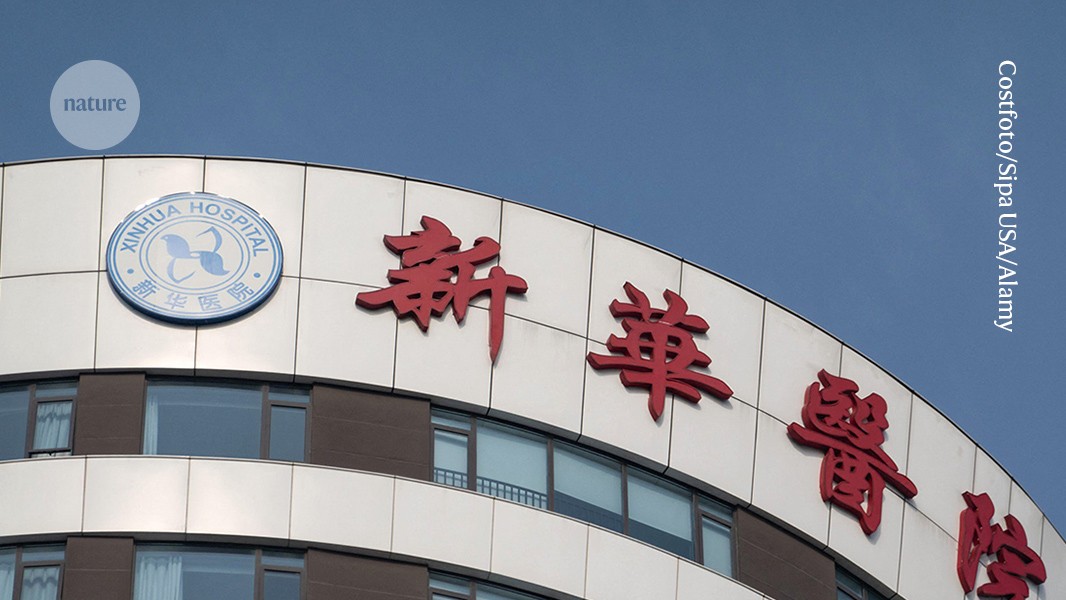
Xinhua Hospital in Shanghai, China, hosted one of the gene-therapy trials that led to the death of a child last year.Credit: Costfoto/Sipa USA/Alamy
The deaths of two children in separate gene-editing trials in China raise serious questions about oversight and could have a profound effect on the country’s biomedical industry, say researchers, ethicists and legal scholars.
On 5 August, a Shanghai-based gene-editing company, HuidaGene Therapeutics, announced that a young boy had died during one of its trials in 2025. And in July, an investigation by Science and Retraction Watch revealed that a six-year-old girl had died in March last year after receiving a different experimental gene therapy. That trial was pioneered by neuroscientist Zilong Qiu at Shanghai Jiao Tong University and clinician Yongguo Yu at Xinhua Hospital, also in Shanghai. On 26 July, the university announced an investigation into the trial and a related preclinical study the researchers had published in Nature1. The university did not respond to Nature’s questions about the investigation.
Gene therapies can have serious side effects, including severe immune reactions that cause death2. At least a dozen people have died in clinical trials of such therapies in the United States, Europe and Russia over the past three decades.
Researchers say the two trials in China involved breaches of ethics and lacked transparency. “This will do or has done great damage to the credibility of Chinese institutions,” says Joy Zhang, a sociologist of science at the University of Kent in Canterbury, UK.
The trials also put a spotlight on China’s fast-track clinical trials, called investigator-initiated trials, just as the government seeks to reign them in. IITs allow researchers to test therapies quickly without supervision from the country’s drug regulator, although the government increased oversight of these trials in May.
Regulations for gene-therapy trials will probably be strengthened in response to the deaths, says Jiayou Shi, a lawyer at the National Research Center for Civil and Commercial Law at Renmin University of China in Beijing. Zhang thinks the Chinese government might even halt gene-editing research or put stricter requirements on funding.
The government has been quick to act on similar incidents in the past. When Chinese biophysicist He Jiankui went against research ethics and Chinese regulations by conducting experiments that produced gene-edited babies in 2018, the government strengthened laws around this kind of editing and He was sentenced to three years in prison. But whereas He is considered a “rogue scientist”, Zhang says, Qiu is a successful scientist and an influential science communicator.