// SPACE.COM — SPAZIO & SCIENZA
The Vela Incident: Did an American satellite detect a secret nuclear test in 1979?
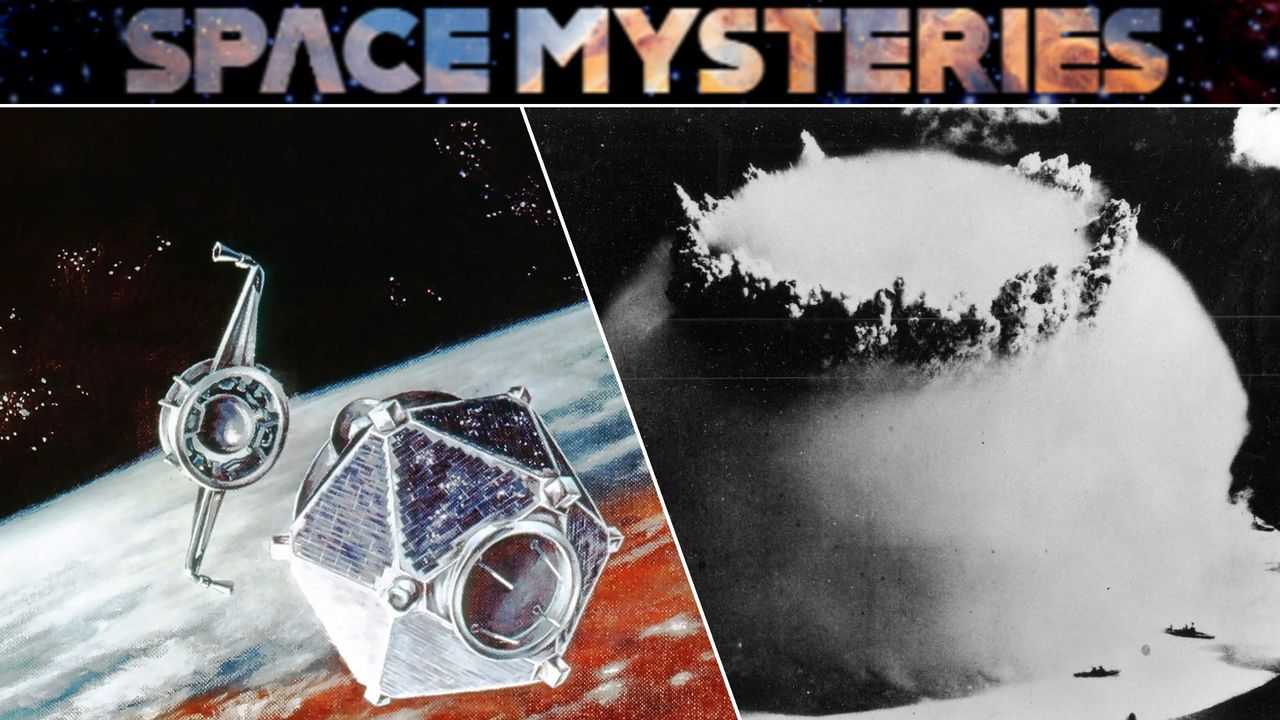
In this week's installment of Space Mysteries, we take a look at what we know and don't know about a possible illicit nuclear detonation in the South Atlantic Ocean.
When you purchase through links on our site, we may earn an affiliate commission. Here’s how it works.
It began with an unusual flash detected off the coast of South Africa by an aging American satellite — and to this day, debate continues over whether this odd Cold War event involved an illicit atmospheric nuclear test.
The strange story of the "South Atlantic Flash," better known as the Vela Incident, began on Sept. 22, 1979. At that time, Vela 6911, a satellite in a constellation developed by the United States for the specific purpose of detecting nuclear detonations, observed something that immediately alarmed officials: a peculiar flash of light emanating from somewhere over the South Atlantic Ocean.
A significant part of what concerned U.S. officials at the time had been the double flash of light detected during the event — a distinctive feature that strongly resembled the flashes produced by a nuclear explosion in Earth's atmosphere. The characteristic double flash results from the rapidly changing brightness of the fireball and shock wave produced by an atmospheric nuclear detonation, creating a distinctive optical signature that Vela's sensors were specifically designed to recognize. The South Atlantic event, therefore, seemed like a prime candidate for a secretive nuclear test being carried out by an unknown party — but if that were the case, who was responsible?
Then-President Jimmy Carter was promptly alerted to the situation, as evidenced in diaries the former U.S. leader would publish years later. "There was indication of a nuclear explosion in the region of South Africa," Carter wrote in an entry on the same date of the event. A later entry penned the following February would go on to add that "We have a growing belief among our scientists that the Israelis did indeed conduct a nuclear test explosion in the ocean near the southern end of Africa."
Despite that belief regarding the possibility of a clandestine nuclear test, a scientific panel assembled in 1980, chaired by MIT professor Jack Ruina, eventually put forward an alternative explanation: that the flash had more likely been an anomaly caused by a small meteoroid striking the satellite.
Notably, the panel did not rule out the possibility of a nuclear explosion at the time, although the alternative they put forward remained controversial among scientists and intelligence officials.
By the turn of the 21st century, formerly classified documents began to surface that revealed the extent of the inner tensions between U.S. government agencies over what caused the Vela incident.
Among the critics of the debris-induced "anomaly" hypothesis had been Defense Intelligence Agency Vice Director Jack Varona. According to documents released in 2006, Varona said the investigations by the 1980 scientific panel had been a politically motivated "whitewash," and that evidence collected by the U.S. intelligence community included detections "unique to nuclear shots in a maritime environment," based on an analysis by the Naval Research Laboratory.