// PC GAMER — GAMING
That's just great: Graphics card prices in China are set to increase again as Nvidia shifts even more of production towards AI GPUs
When you purchase through links on our site, we may earn an affiliate commission. Here’s how it works.
In news that will surprise very few, manufacturers are reportedly planning to raise their GPU prices in China again later this month. This could have a knock-on effect on global pricing for both Nvidia and AMD cards.
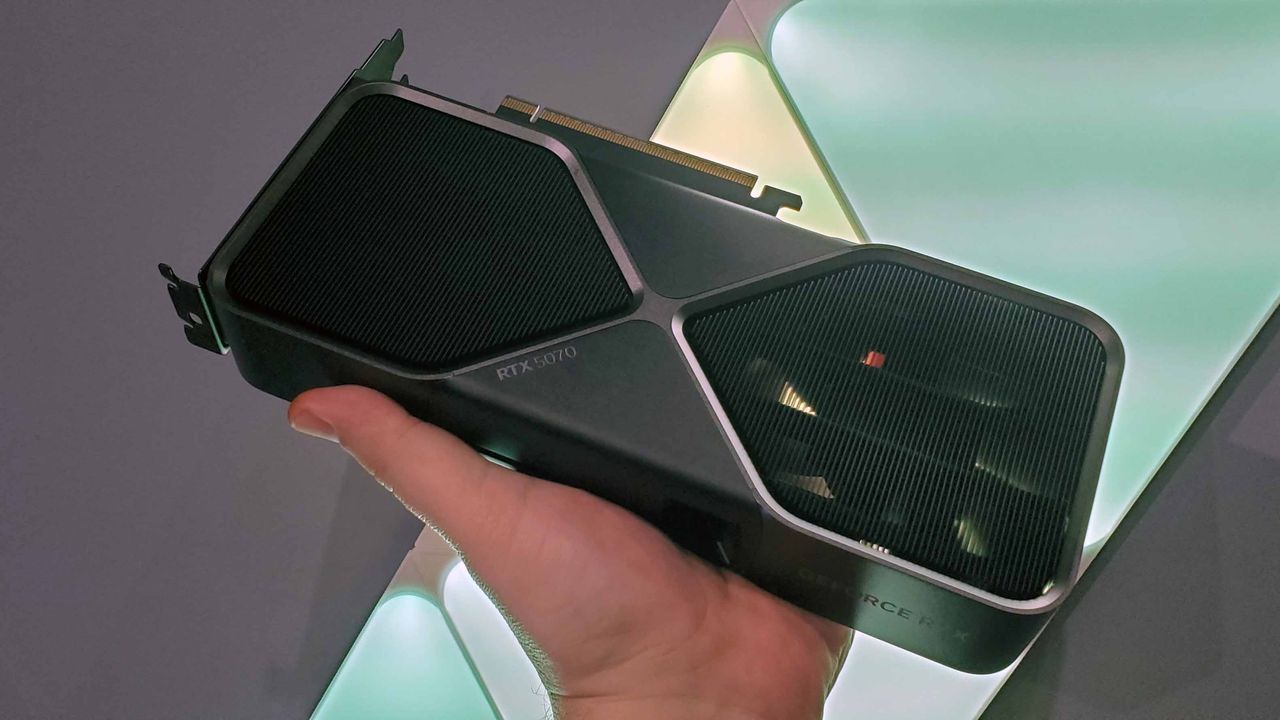
Asus looks set to raise the price of its RTX 5070 cards by between 150 and 300 RMB (roughly between $22 and $45) in mainland China, according to Taiwanese outlet United Daily News. Gigabyte has reportedly already raised the price of its RTX 5060 Ti 16GB GPU by 200 RMB ($30).
AMD has increased prices for a number of cards as well; the RX 9070 XT is up by 200 RMB, the price for both 16G and 8G versions of the RX 9060 XT has increased by up to 250 RMB, and the RX 7650 GRE is up by 400 RMB (about $60). This follows reports in July that AMD would be raising the price of its GPU and VRAM partner bundles by 10%.
Your nemesis and mine, the memory supply crisis, is in part to blame. Nvidia has also been reducing its gaming GPU production for some time now, most recently trimming its shipping forecast by between 15% and 20%.
It would be reasonable to assume the company is shifting production capacity to manufacturing even more AI GPUs. For on thing, Nvidia's data centre segment made $89 billion last quarter alone. Nvidia also just announced it plans to acquire AI development platform Hugging Face for an eye-watering $13 billion.
However, the full production picture may be a bit more nuanced. German outlet 3D Center shared some further insight on X, claiming Nvidia isn't producing fewer 4nm GB20x Blackwell chips, but is in fact simply shifting its stock towards the "professional segment" instead.
At the risk of oversimplifying, these Blackwell chips are going towards enterprise products rather than consumer GeForce graphics cards—presumably because the 'professional segment' offers higher profit margins (Is now a bad time to mention that apparently 100,000 Nvidia GPUs were used to train OpenAI's latest model?). As a result, there will be fewer chips to go around for new GeForce cards, meaning shorter supply and higher prices.
Keep up to date with the most important stories and the best deals, as picked by the PC Gamer team.
Nvidia has done the risk assessment and has determined this is the most sensible way to weather an incredibly volatile hardware landscape. For you and me, though, yes, it's likely going to remain cheaper to fly internationally to QuakeCon or PAX West to pick up a 50-series card rather than buy a bleeding-edge Nvidia GPU anywhere else.