// SPACE.COM — SPAZIO & SCIENZA
NASA's newly launched Roman Space Telescope will 'directly' image exoplanets. But what does that mean?
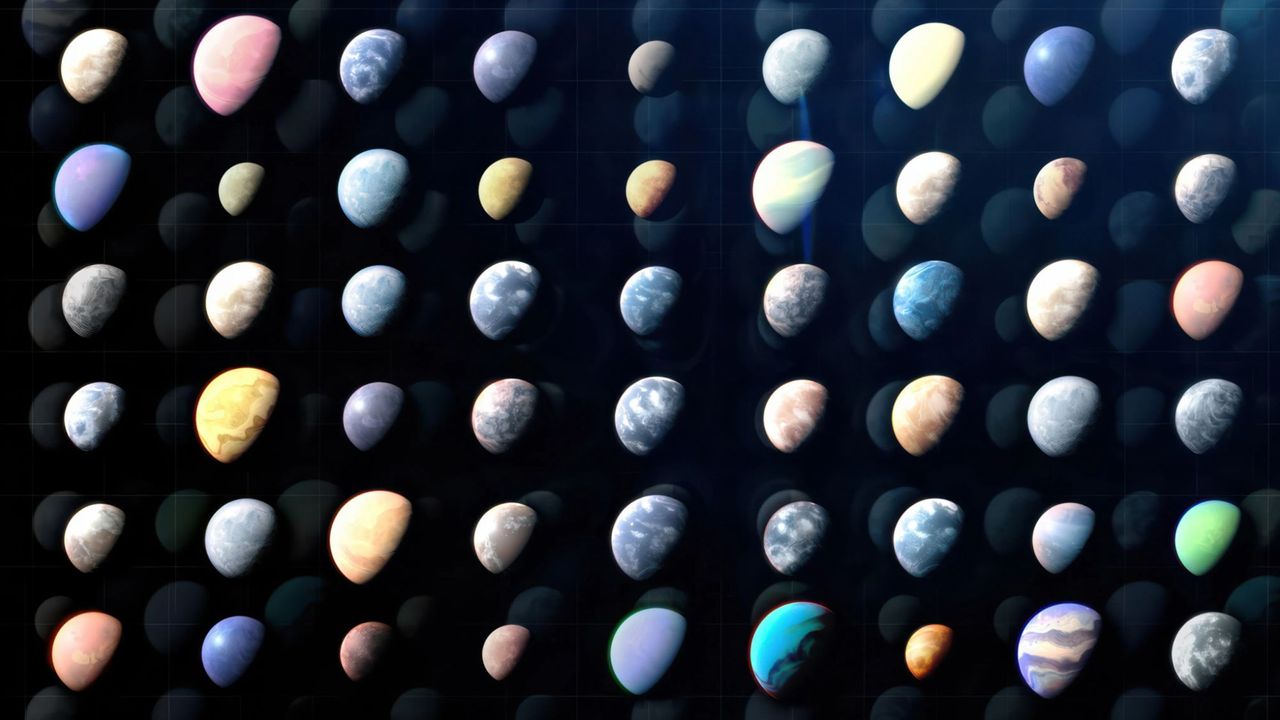
"When you look up at the night sky, most of those stars have planets."
When you purchase through links on our site, we may earn an affiliate commission. Here’s how it works.
A brand new observatory began its tenure on Aug. 30 — it's called the Nancy Grace Roman Space Telescope, and it's equipped with a high-tech tool that can directly photograph planets beyond our solar system.
The tool is called a coronagraph; in simple terms, a coronagraph is a device that can be affixed to a telescope and block out the light of a star the telescope is looking at to study features around that star. Without such a device, starlight can be so overpowering that it outshines details nearby. You can think of a coronagraph as a way to recreate a total solar eclipse, except instead of the moon blocking out the sun it's a humanmade mask of sorts that does that trick.
But while coronagraphs have been used many times before, the one that just launched toward the stars is unprecedented. "The Roman Space Telescope is carrying the most advanced coronagraph that humanity has ever put into space," Dominic Benford, the telescope's program scientist, told Space.com.
If you can remember the striking "Pale Blue Dot" image of Earth that NASA's Voyager 1 spacecraft captured while floating about 3.7 billion miles (6 billion kilometers) from the sun, this is the kind of thing scientists expect to see with Roman's coronagraph. A menagerie of Pale Brown Dots should soon make us feel the weight of our existence.
"I love the feeling of smallness that comes from understanding you're not alone in the universe," Vanessa Bailey, Roman's coronagraph instrument scientist, told Space.com.
Coronagraphs aren't really a new thing. Often, they're even used to study our own sun.
For example, NASA's PUNCH mission — which stands for Polarimeter to Unify the Corona and Heliosphere — launched in 2025 and consists of four spacecraft, one of which holds a coronagraph. This coronagraph blocks out the light of our sun in order to reveal the wispy tendrils of the sun's outer atmosphere, or corona.
"In fact, more than 100 years ago, astronomers used coronagraphs to create an artificial eclipse to study the sun's corona," Bailey said during a press briefing on Aug. 29, a day before Roman launched to space. "That's the reason for the name."