// HACKER NEWS — CYBERSECURITY
How to write an effective software design document
A good design doc can save you years of development time. Writing a design doc forces you to think through important decisions before you waste time on the wrong implementation. It’s also the best way to coordinate design decisions among teammates and partner teams.
I’ve written design docs as a developer at Google, Microsoft, and within my own companies. The specifics vary, but the underlying principles remain the same. A design doc articulates the hard problems you’re solving and helps your teammates give you feedback.
Below, I share my approach to creating effective design docs and explain what belongs in a design doc and what does not.
The most common question I get about design docs is where to find a good one. I’ve never seen a public design doc that I consider high-quality. All of mine are hidden away at the companies that paid me to write them.
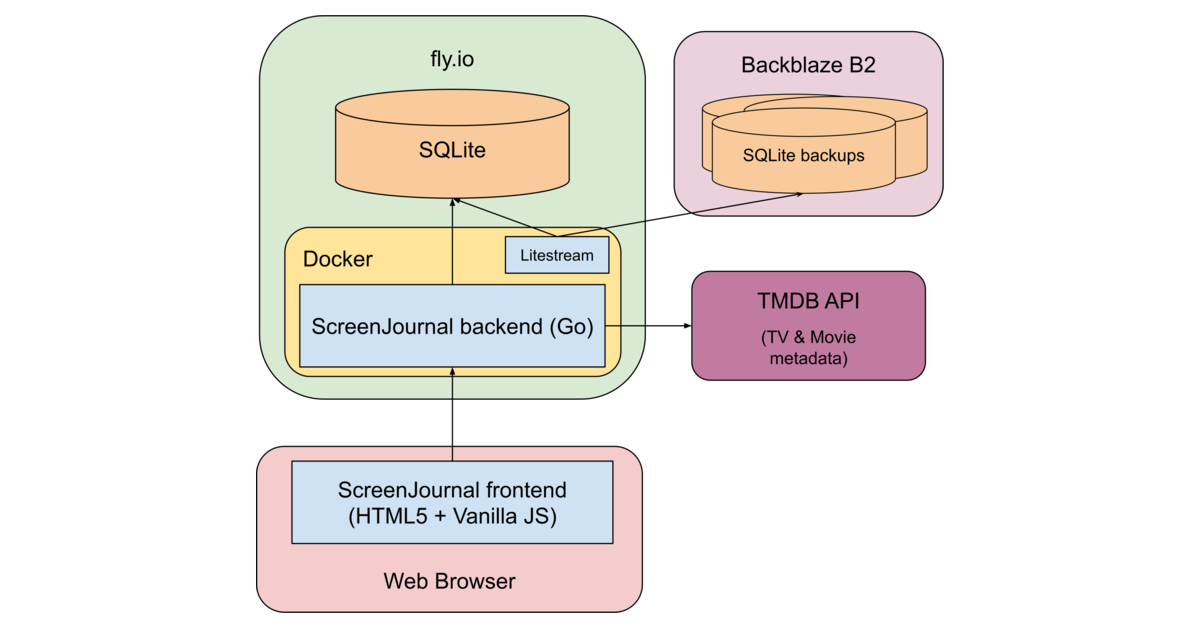
So, I wrote a design doc from scratch based on the principles I’m sharing here. It lays out the design for a real web app I’m building.
I created the design doc before writing any code, and I’m adhering to the design as I implement the app.
The design is more exhaustive than what I’d normally write for a solo hobby project, but this is roughly the length and depth of a design doc I’d create if I were coordinating work with other people on a professional project.
The more complex or risky the project, the more valuable it is to write a design doc.
If you answered “yes” to any of these questions, then it’s likely worth the effort to write a design doc. If you answered “yes” to two or more, a design doc will almost certainly be worth the effort.
A design doc can be a simple one-pager or a 50-page document that requires signoff from five different teams. You need to decide how much detail makes sense.