// SPACE.COM — SPAZIO & SCIENZA
SpaceX Falcon 9 rocket-landing team gets 1st-ever Neil Armstrong Space Prize
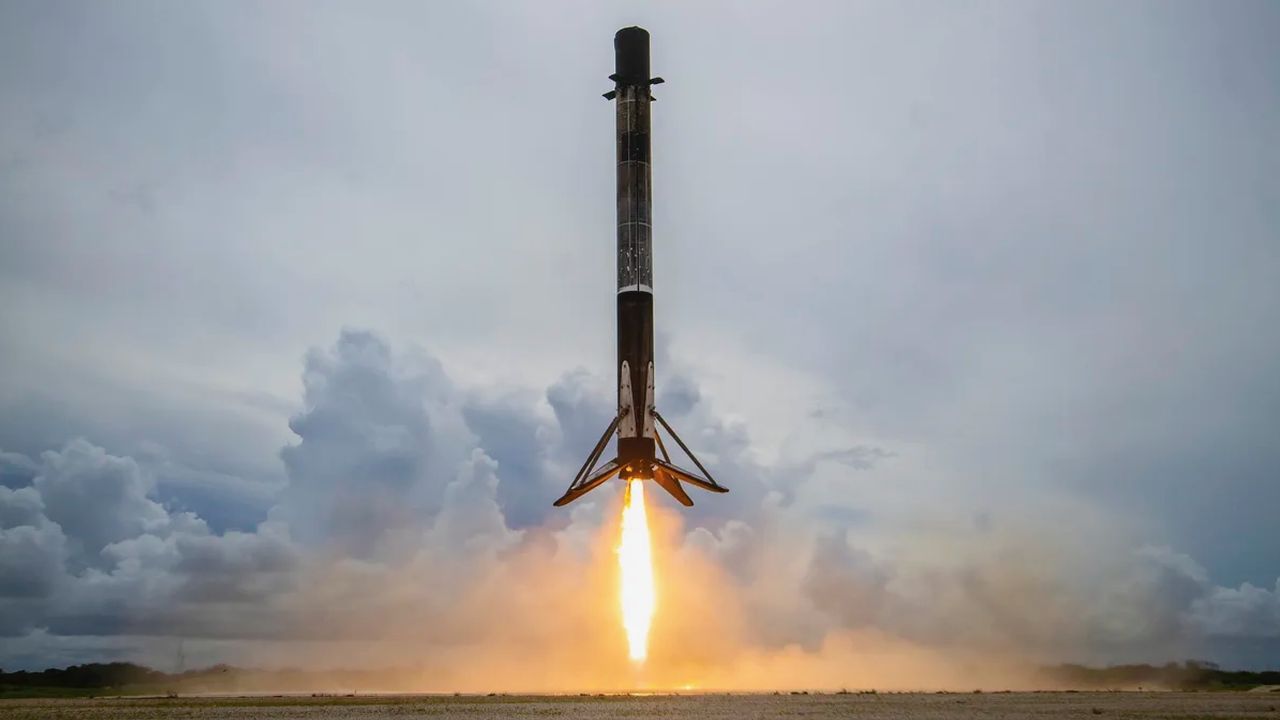
"By making rocket reuse practical at unprecedented scale, they changed the economics of spaceflight and opened new possibilities for science, exploration and commerce."
When you purchase through links on our site, we may earn an affiliate commission. Here’s how it works.
The winners of the first-ever Neil Armstrong Space Prize just got their hardware.
Those awardees — the people who developed and mastered the famous landing capability of SpaceX's Falcon 9 rocket — were announced in April. But they didn't actually receive the prize until Tuesday night (Sept. 15), when it was bestowed during a ceremony at the Cosmos Club in Washington, D.C.
And it was richly deserved, according to Purdue University, which created the international award and named it after perhaps its most famous alumnus. (Purdue is known as the "cradle of astronauts," because 30 of its graduates have flown in space or been selected as NASA astronaut candidates.)
"Neil Armstrong's achievement rested on extraordinary engineering, teamwork and the courage to attempt what had never been done before," Mark Lundstrom, the John A. Edwardson Dean of the College of Engineering at Purdue, said in a statement on Tuesday.
"The Falcon 9 Booster Landing Team carries that spirit forward," he added. "By making rocket reuse practical at unprecedented scale, they changed the economics of spaceflight and opened new possibilities for science, exploration and commerce. It is especially fitting that they are the first recipients of the Neil Armstrong Space Prize."
Purdue wants the annual prize to become a sort of Nobel for space science and exploration. The inaugural honorees are five SpaceX employees, who represent the much larger Falcon 9 landing team:
The two-stage Falcon 9 debuted in June 2010. The rocket was always envisioned to have a reusable first stage, though making that happen took a while.
"On a simple hand calc, I thought, 'Oh, this would work,'" said Kuwata, who joined SpaceX in 2012.