// 9TO5MAC — MOBILE & WEB
Photographer Tyler Stalman reviews the iPhone 18 Pro’s new camera with variable aperture
Photographer Tyler Stalman is back with his annual iPhone camera review. Here’s what he had to say about the iPhone 18 Pro’s new variable aperture, photographic styles, Apple Reference Image, and more.
Although this year’s iPhone 18 Pro introduces many new features, including the 2nm A20 Pro chip, a new vapor chamber, and a smaller Dynamic Island, it is fair to say that the biggest camera upgrade is its new variable aperture system.
Also new this year are updates to Cinematic mode, expanded Photographic Styles with new texture controls, Apple Reference Image, and further improvements to the Camera app’s pro controls.
Today, photographer Tyler Stalman published a review of all of the iPhone 18 Pro’s new hardware and software features, adding to the wave of reviews that went live as the embargo lifted, including ours.
Stalman notes that although he enjoyed last year’s Cosmic Orange color on his iPhone 17 Pro, it tended to appear in reflections when shooting through windows. For this reason, he says pro photographers might want to stick to Burgundy or Black, as they are less likely to cast unwanted color into photos or videos.
He also notes right off the bat that his review compares the iPhone 18 Pro’s cameras to those of the iPhone 15 Pro, while the video itself was shot almost entirely on an iPhone 17 Pro.
When it comes to the main camera upgrade, which is the new variable aperture, Stalman says its addition is “one step along the way to making (the iPhone) a serious camera.”
He also notes that the wider f/1.48 aperture lets more light reach the sensor, which can help keep ISO lower in low-light conditions and reduce the need for Night mode.
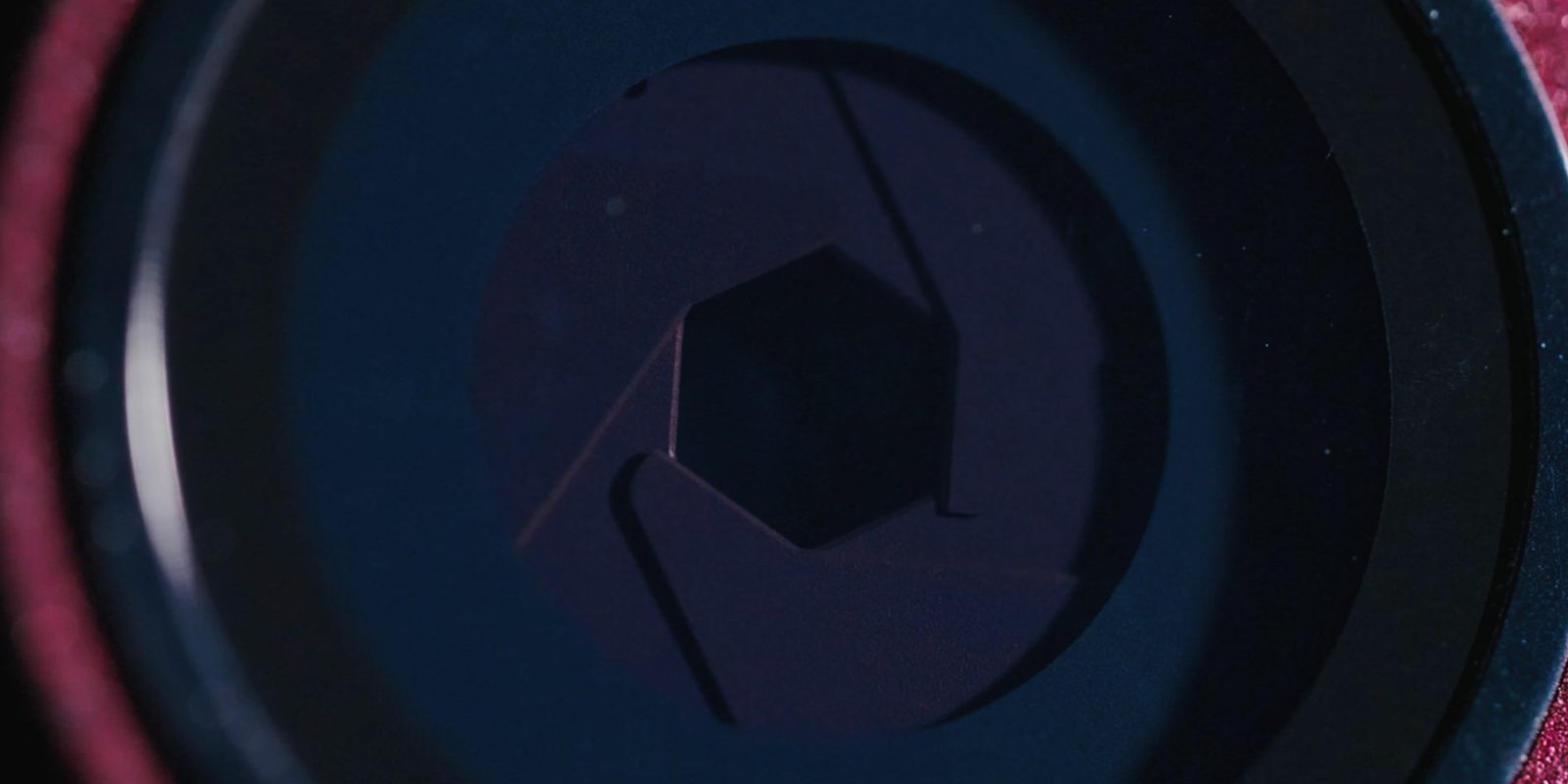
This part of the review includes a few very cool-looking shots of the iris mechanism opening and closing, and Stalman points out that Apple’s implementation is somewhat unusual, with the aperture blades positioned above the primary lens element rather than deeper inside the lens, as they typically are on traditional camera lenses.
Stalman also says that the new 4x zoom is a nice improvement over last year’s 5x zoom, which could at times feel a little too tight.