// PC GAMER — GAMING
I spent far too long assigning gaming mouse values based on their price-to-weight ratio, and the runner-up is the rodent on my desk right now
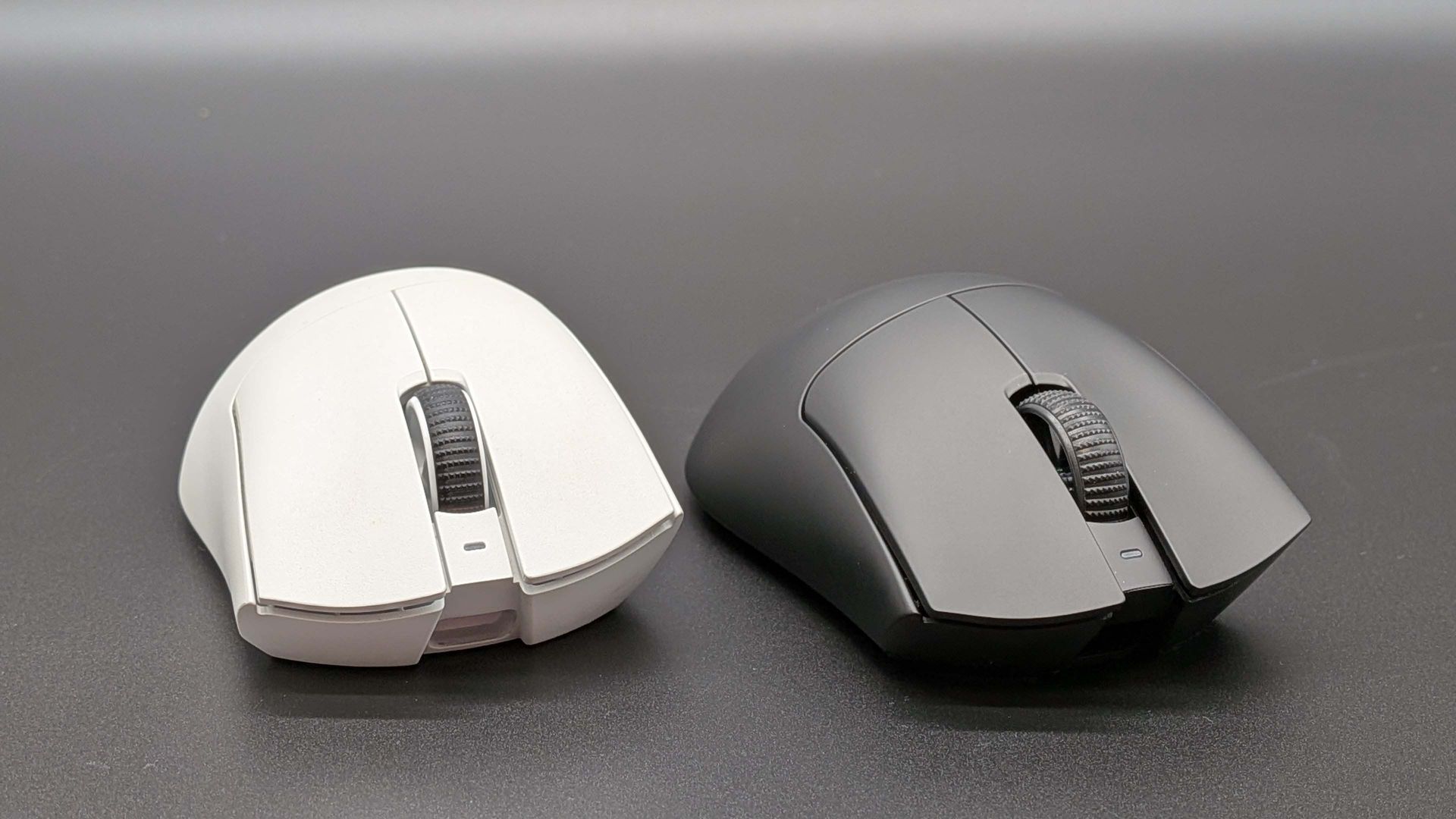
You know, I'm something of a rodent scientist myself.
When you purchase through links on our site, we may earn an affiliate commission. Here’s how it works.
You may know the trick of checking price in relation to weight, rather than full price, at a supermarket, to account for different pack sizes, but have you ever thought of applying that same metric to gaming mice? Me neither, until our Dave spotted such a rubric on Amazon. The Turtle Beach Burst II Air Amazon listing has a price-to-ounce ratio, and that got me thinking: which mouse would offer the best price-to-gram ratio?
Yes, it may be a bit silly to value price relative to weight, as it's favouring cheap but heavy mice, and it might mean that some ultralight mice get the short end of the stick, and some might argue that price-to-gram tells you less about whether you should buy the mouse than price by itself, but you've gotta take that one up with Mr Bezos. I'm just the messenger, and as we all know, the messenger never gets shot.
And most scientists are unappreciated in their time.
As a fierce rodent scientist, I fear this specific study needs much more than just working out the weight-to-price ratio. Thus, my own personal rubric was born, an unholy alliance of two different scores that are then averaged together.
First, the price-to-weight ratio. Here, I grabbed the weight of the mouse and the MSRP, then assigned it a grams-per-dollar value. Some mice have slightly different weights (like the SteelSeries Rival Pro white and black models, which are one gram different), so I took the lowest available. From here, I graphed every pick on a scale and assigned a value based on how well they rank. The mouse at the very bottom of this graph would be assigned 100%, and the mouse on the total opposite end would get 0%.
In the name of unadulterated overkill, for science, my method was to get the difference between the highest- and lowest-value mouse, then divide that difference by 100 to get 1% (0.034), and then calculate the difference between either end and the scored mouse in measures of 0.034.
Finally, to account for quality, I would grab our review score (which does mean this specific study can only happen with mice we've reviewed). The combination of these two gets you what I am tentatively calling the PC Gamer price-to-weight-to-value-to-quality score, or the James score for short. Catchy name, I know.
Keep up to date with the most important stories and the best deals, as picked by the PC Gamer team.