// TOM'S HARDWARE US — HARDWARE & GADGET
Amazon promises to spend $1 billion on communities close to its data centers, but critics push back
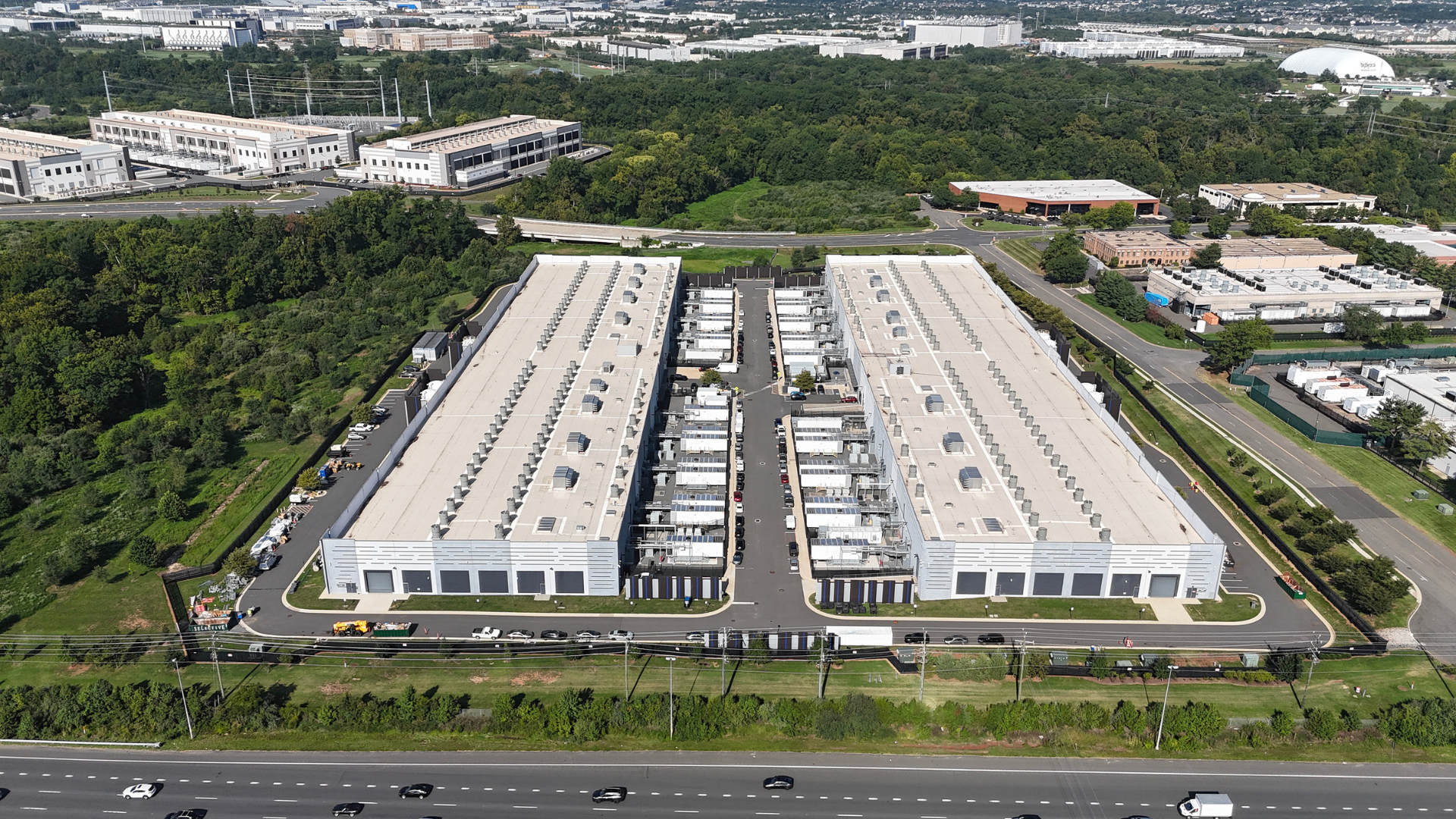
Some critics say this is nothing but a 'bribe' so that communities would say yes to data centers.
When you purchase through links on our site, we may earn an affiliate commission. Here’s how it works.
Amazon announced a new community program called “Built Together,” where the company promised to invest $1 billion over the next five years on data center communities. According to the company blog post, it will provide the funding to the residents while they determine the best use of the funds to be allocated, including projects that reduce electricity bills.
“With Built Together, Amazon will add more than $1 billion over the next five years to what we’re already doing — with communities in the driver’s seat to determine what’s most useful for them across education, job training, energy affordability, water and energy preservation, and local priorities,” AWS CEO Matt Garman wrote. He said that Amazon is focusing on three key issues that matter most to residents living near its data centers: education and workforce pathways, community energy affordability and water solutions, and flexible funding for local priorities with communities in the lead.
The company says that education and workforce pathways will allow the people living near data centers to pursue associate’s degrees related to in-demand fields at zero out-of-pocket costs, with Amazon covering the shortfall after financial aid. It even claimed that it has already established agreements with local community colleges and expects to launch them in the next few months, with a goal of connecting more than 300,000 students from data center communities to its free degree access. Aside from this, Garman also said that the company is expanding its Modular Training Centers, which provide free certification programs for skilled trade workers so they can eventually get employed at Amazon or its partner construction firms, with a target of funding training for up to 100,000 workers per year.
Amazon is also looking to provide grants to schools, community buildings, and even homes in data center communities to help deploy energy-efficient solutions. These include heat pumps and HVAC systems, insulation, water heaters, batteries, solar installations, and more, with an aim to reduce electricity costs by around 20% to 40% annually and reduce household electricity expenses by up to $700 per year. Last, but not least, Garman said that it’s partnering with local nonprofit organizations and community foundations to ensure that its earmarked funds are best spent according to the needs of the residents. “Every community is different,” said the AWS chief. “What matters most in rural Oregon is not the same as what matters in suburban Virginia or a mid-size city in Ohio.”
The first part of Garman’s post actually addressed many of the concerns raised by community members near these developments, calling them “false” and “misleading,” despite various reports that have raised concerns about utility hikes and noise pollution. Still, it seems that these initiatives are designed to alleviate some of these issues and make data centers more acceptable to communities where they’re being proposed. This is especially true as many projects are being delayed due to bipartisan AI data center bans, especially as polls show that the majority of Americans resist having one put up near their residences.
Other AI hyperscalers and data center developers have offered incentives to communities even before Amazon made this announcement. SpaceXAI offered a 50% discount on Starlink plans to placate its residential neighbors in Memphis and Southaven, while another developer said that it will give $10,000 checks to 4,500 households if its 1,300-acre facility gets approved. One data center site in Maryland even proposed an astounding $110-million package to the community, which is said to be the biggest-ever package offered in U.S. history. Many critics decry moves like these as “bribes,” though, just so developers can