// PC GAMER — GAMING
Bored with roguelikes? You might still want to play Dicevaders, a game about perfecting dice rolls
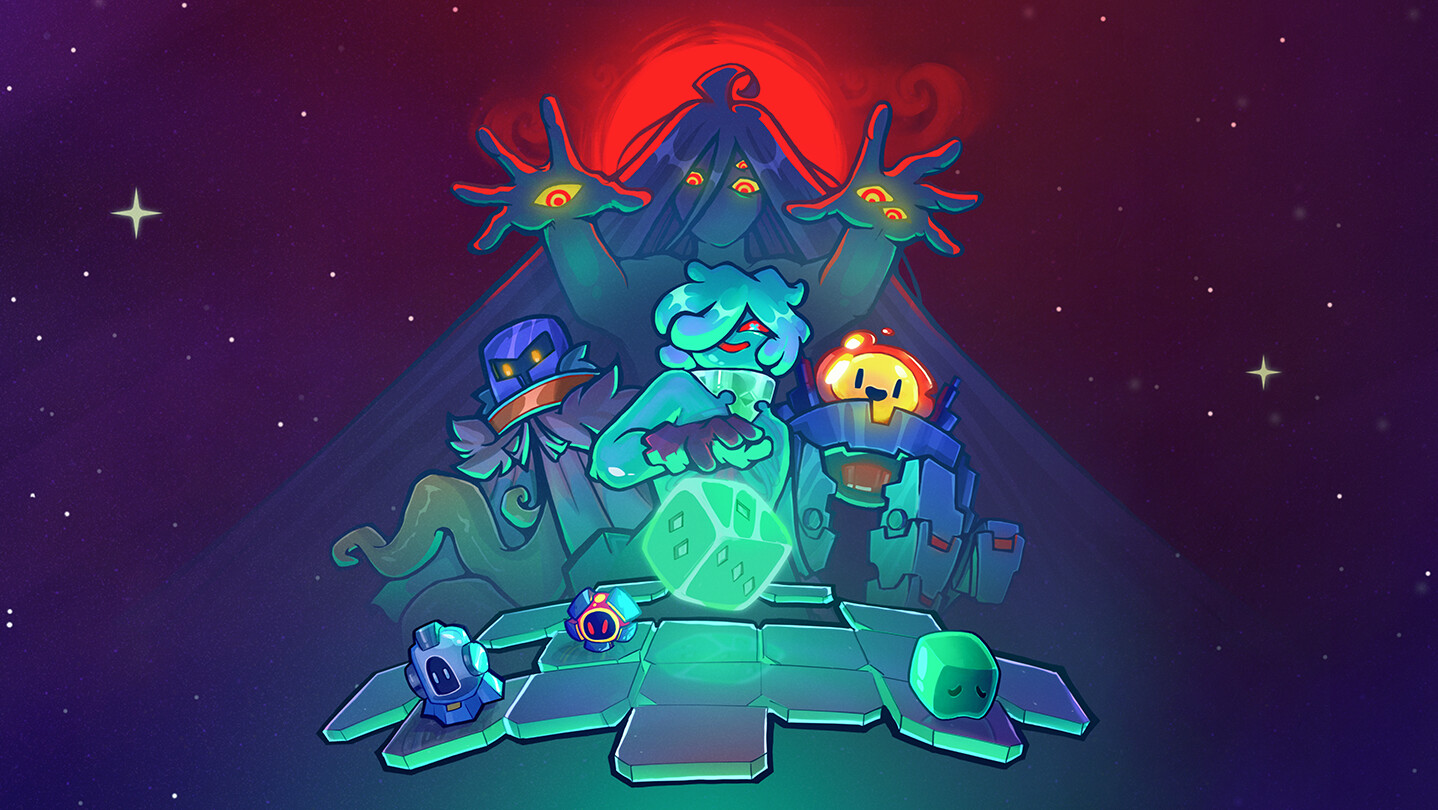
Lead an alien invasion in this fun-but-fair game of colossal damage numbers.
When you purchase through links on our site, we may earn an affiliate commission. Here’s how it works.
This is how I knew Dicevaders got its claws into me: the first thing I did this morning was boot up my Steam Deck (which is next to my bed, of course), just so I could get another run in before logging on for work. This kind of compulsive behaviour hasn't been part of my daily routine since Titanium Court back in May, and before that, Blue Prince in 2025—so Dicevaders is in good company.
You play the captain of an alien invasion force hurtling through the stars in this roguelike deckbuilder, which is about activating units on a grid using three dice. Each column on the grid corresponds to a number on the dice. You draft your units in each column, roll the dice, then the outcome determines which columns of units will score. As you can see below:
Your units don't actually go anywhere or fight anything. They each have a strength stat which forms the base score of each turn. Let's say you roll a pair of threes and a six, as I did in the screenshot above. Your units placed in the third column will have their strength stat multiplied by two, while the unit in the sixth column will only score its basic strength stat because one dice only equals a 1x multiplier.
The goal is to hit a target damage number across four turns, which successfully triggers the invasion. If you don't hit the number, you start losing health on each further turn until it's game over. Of course, you can also buy a suite of artifacts which positively affect the score in many ways, from increasing multipliers to bolstering the permanent strength stats of your different units.
Written down, all of this sounds pretty familiar. And it is! But what's key to Dicevaders' appeal is how much scope it gives you to affect both the outcome of each dice roll and your current run. Sure, chance is a factor in how you play, yet there's an intensive resource management layer here that makes it feel fair.
For example, you have a currency called 'Budge', which is self-explanatory: you can spend one Budge point to move a dice roll either up or down one per turn (so, a four becomes a five or three), and you can do this for all three dice. You can also spend another currency called 'Chrono' to re-roll the dice completely. That gives you quite a bit of scope to avoid the dice roll landing on the columns with all your dud units.
Both of these resources are finite. The game isn't that stingy with them, however, and you have numerous ways to get more, which is what gives Dicevaders its feeling of fairness. In between each turn, you're given cash to spend on units, artifacts and both these vital currencies.
Keep up to date with the most important stories and the best deals, as picked by the PC Gamer team.