// ARS TECHNICA — SPAZIO & SCIENZA
NRC is (sort of) getting rid of "as low as reasonably achievable" standard
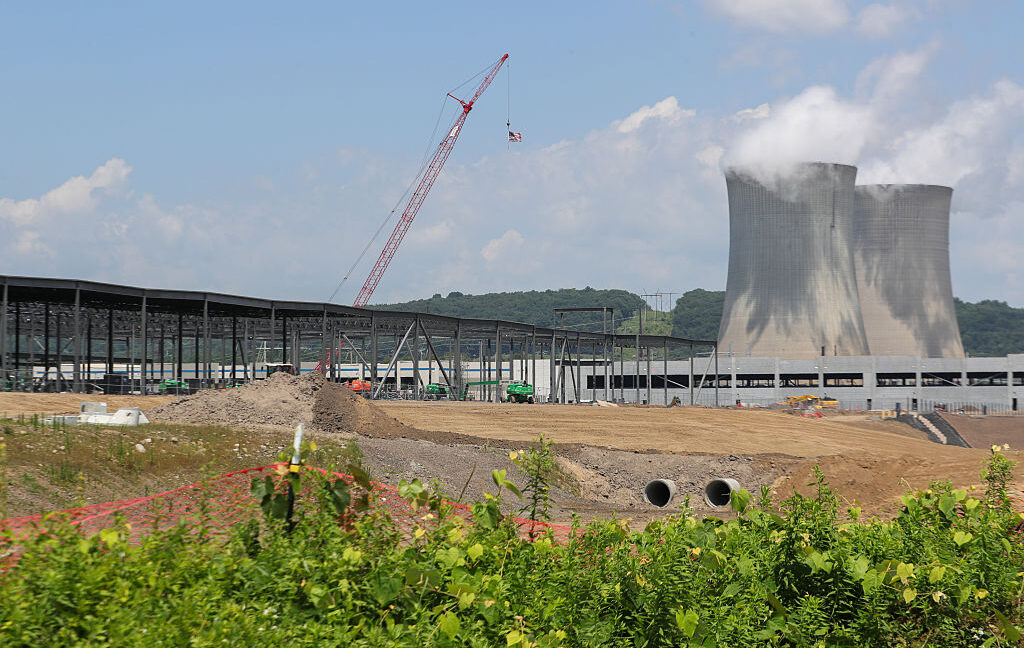
Its issues with current nuclear safety standards are termed semantic, not physical.
Last week, just before the US started its break for the July Fourth holiday, the Nuclear Regulatory Commission (NRC) proposed a new rule that would change how it regulated exposure to radiation. The Trump administration has been pushing to restart construction of nuclear power plants in the US, and many pro-nuclear advocates have been complaining about the US’s existing regulations, portraying them as the main barrier to the flourishing of the industry. So, it had seemed likely that major revisions were coming.
Instead, the NRC’s proposed new rules endorse the science behind its current rules and suggest that any problems are largely in the vagueness of the terminology that it has been using. So, instead, it’s endorsing standards that are meant to accomplish the same thing, but avoid using some of the language it had relied on. Probably the clearest indication of the evolutionary change at play is that the NRC estimates the changing rules will save industry—not just power, but also medical and research applications—only about $9.5 million a year.
There are two technical abbreviations at the center of US nuclear regulations. The first is LNT, which stands for “linear non-threshold.” It’s in reference to the issue of whether there’s any level of radiation that is so low that it no longer produces harmful biological effects—the “threshold” in LNT. The “non-threshold” implies that it doesn’t, and that’s in keeping with biology, which has demonstrated that even single particles or photons of radiation can damage DNA and that the mechanisms cells have for repairing that damage are inherently error-prone. The “linear” in LNT simply describes how the impact of radiation scales directly with the dose.
Despite the solid foundation in basic biology, LNT has been difficult to demonstrate in the real world. Humans are exposed to many factors that can influence the development of cancer, including naturally occurring radiation. Teasing out the impact of a small dose of radiation that occurs in addition to all those other exposures is extremely challenging, and the impact of extremely low exposures has not been decisively demonstrated.
Complicating matters, a number of people have advocated for something called hormesis, in which small doses of radiation purportedly promote the cellular repair of damage from other sources. The evidence for this is even spottier, and when the NRC was petitioned to adopt hormesis as part of its scientific framework during Trump’s first term, it rejected the petition.
Given its acceptance of an LNT model of exposure risks, the NRC had chosen exposure standards that fell under the general term of ALARA: as low as reasonably achievable. If any exposure to radiation poses a risk, then minimizing it is the clearest way to protect the health of people who work with radioactive substances. The challenge there is that it’s possible to set exposure limits that people outside the industry regularly exceed each time they board a commercial aircraft.
So, the word “reasonable” plays an outsized role while remaining highly subjective. Critics have charged that it precipitates an endless cycle of reasonable exposure limits leading to searches for additional ways to lower them further, or of adoption without cost considerations. And here, the NRC is acknowledging that there have been issues. “In essence, the reasonableness test that is supposed to be inherent to ALARA-related decision-making has gradually become an expectation that if a means of dose reduction is available, regardless of its reasonableness in relation to the total dose and the amount of reduction, it should be applied without further consideration,” its new proposal suggests.
In the past, the NRC has attempted to address this by attaching a financial value to each unit of exposure based on estimates of the value of healthy life developed elsewhere. But in the new propo