// TOM'S HARDWARE US — HARDWARE & GADGET
Gigaphoton debuts neon recycling system with claimed 50% recovery rate
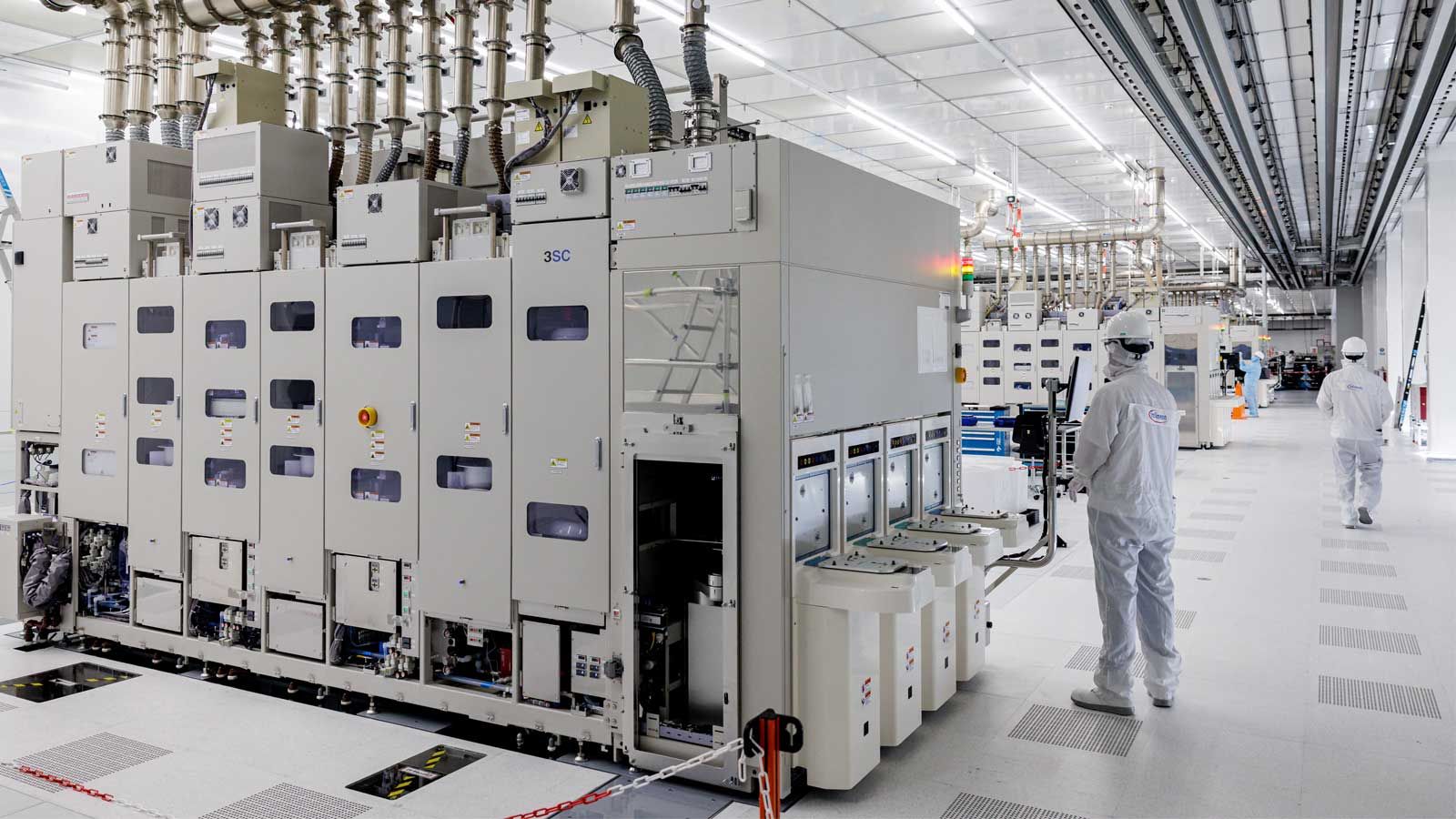
The recycling rate is only 50% for now, but this could be improved in time.
When you purchase through links on our site, we may earn an affiliate commission. Here’s how it works.
Japanese semiconductor lithography tool maker Gigaphoton has developed a novel neon gas recycling system named hTGM for its argon fluoride (ArF) excimer lasers. The method has demonstrated a 50% recycling rate, with hopes that it can be improved dramatically with adjusted configurations, Business Wire reports. This could help fill a gap in the chip supply chain caused by the Russian invasion of Ukraine. Before 2022, Ukraine shipped up to 50% of the neon gas used in the semiconductor industry, but its major producers had to stop exports, raising concerns over chip supply. 70% of global neon production is used in semiconductor manufacturing, particularly in advanced DUV processes.
In the aftermath, China, Taiwan, and South Korea all increased their own domestic Neon production efforts, but various chip manufacturers also integrated recycling systems at various points during the fabrication process. Gigaphoton's more efficient ArF lasers with neon recycling could further help close those loops, reducing material costs and further reducing reliance on global supply chains.
It's not the only company pushing this technology forward, either. At the start of September, Japanese environmental protection company Kanken Techno demonstrated its own Neon gas recycling system for excimer lasers at SemiCon Taiwan. It demonstrated a recycling rate of over 90%, suggesting there is considerable headroom to improve this process in the future.
Neon is one of a handful of noble gases, making it inert under standard conditions and easy to handle. However, the ease with which it vaporizes and its limited bonding ability mean it is relatively scarce in Earth's atmosphere, making it scarce. It is most efficiently obtained through fractional distillation of super-cooled air, making it most affordable to obtain as a byproduct of other processes. For decades, Ukrainian steel-mill air-separation units produced crude neon from large-scale air-separation units (ASUs), and then refined it in-country via a pair of key companies.
That meant that when Russia escalated its war against Ukraine into a full-scale invasion in 2022 and Ukrainian neon refiners shut down production, there was an immediate global response.
As SFA Oxford explains, South Korea accelerated domestic production and implemented a large-scale, national neon recycling initiative focused on in-fab recovery. Taiwan installed purification systems in existing blast-furnace ASUs, developing its own domestic supply chain. By utilizing its national infrastructure, it targeted complete self-sufficiency in neon gas production within a few years.
China integrated neon gas purification into many elements of its industrial base, twinning it with steel and petrochemical production facilities. The U.S. also responded with the development of new ASUs at Gulf-coast petrochemical hubs, but those aren't expected to meaningfully improve American neon supplies until near the end of the decade.
Lithography accounts for around 70% of global neon use, particularly in more advanced DUV processes — though crucially, not in EUV lithography, which uses a tin-plasma laser instead. With global DUV-produced semiconductor supply rapidly advancing in the wake of the AI buildout, neon supply is an important component in the chip supply chain, which has rapidly evolved to become a key asset within strategic defence and global trade.