// 9TO5MAC — MOBILE & WEB
A fun night video test of the iPhone 18 Pro
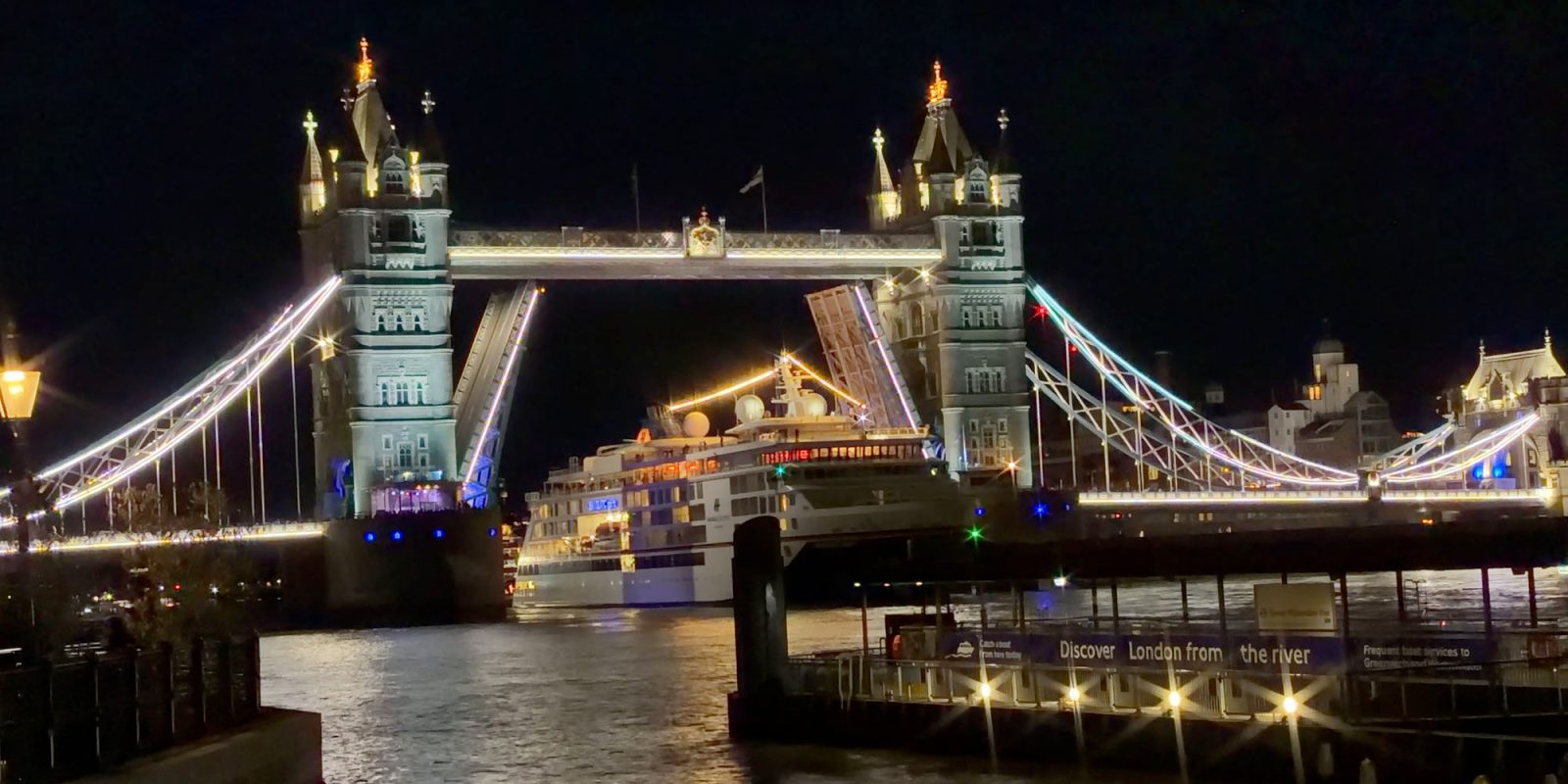
After taking a series of portrait photos to test the wider aperture of the iPhone 18 Pro, my original plan had been to hang around until it was dark in order to see whether letting in more light would reduce the duration of Night mode photos.
I ended up postponing that test because something more interesting was going on: the extremely rare sight of a cruise liner passing through Tower Bridge. That provided the perfect opportunity to test the night video capabilities of the new device …
Over the years, iPhones have evolved into extremely capable cameras, but for both still photos and videos, there has been a significant gap between the quality you can achieve in daylight and that available at night.
Apple has put a lot of work over the years into low-light still photography, and that really shows. Today’s iPhones offer incredibly impressive low-light camera capabilities given the extremely small size of the sensor. That was helped by the inclusion of Night mode portraits back in 2020.
Computational photography in general is the secret to a lot of the iPhone’s night photography abilities. While we think we’re taking a single shot, the phone is in fact taking a whole series of frames and then combining different exposures into a single image.
Video, however, is a far bigger challenge. When we’re shooting at least 24 frames per second, and most typically shooting movement, there’s very limited opportunity for the phone to capture multiple exposures of the same frame in order to combo them. That’s the reason that the quality of night videos inevitably lags significantly behind that of still photos.
Apple does, however, continue to put a lot of work into this, and night video performance does improve with each generation. The iPhone 18 Pro not only benefits from Apple’s annual enhancements to video processing, but also from a wider aperture that lets in more light. It’s less than a stop, but for video work in particular, every extra photon really counts.
The complete clip in normal speed lasted more than nine minutes, and I didn’t want to rely on the impressive video stabilization capabilities of the device for quite that long, so braced a mini tripod on top of a railing. I’ve sped up the video to 10x normal speed to reduce it to 96 seconds, but included a couple of actual-speed sections so you can appreciate the incredibly careful work carried out by the tugboats.
The result? Not perfect, but yes, another step forward in the quality evolution. Sure, people like me can go pixel-peeping and complaining that some of the details are rather muddy when viewed closely, but that’s kind of a “so what?” situation. The average person looks at a video like this and simply enjoys the spectacle, having no complaints about the quality. When I look back at low-light videos from a few generations ago, the difference is … well, night and day.
So yes, night video performance is not yet where I would like it to ideally be, but it continues to improve with each generation, including this one. In truth, we have easily hit the “good enough for most people to enjoy” point even in extremely challenging conditions like this.