// SPACE.COM — SPAZIO & SCIENZA
What caused a mysterious atmospheric explosion in Siberia in 1908?
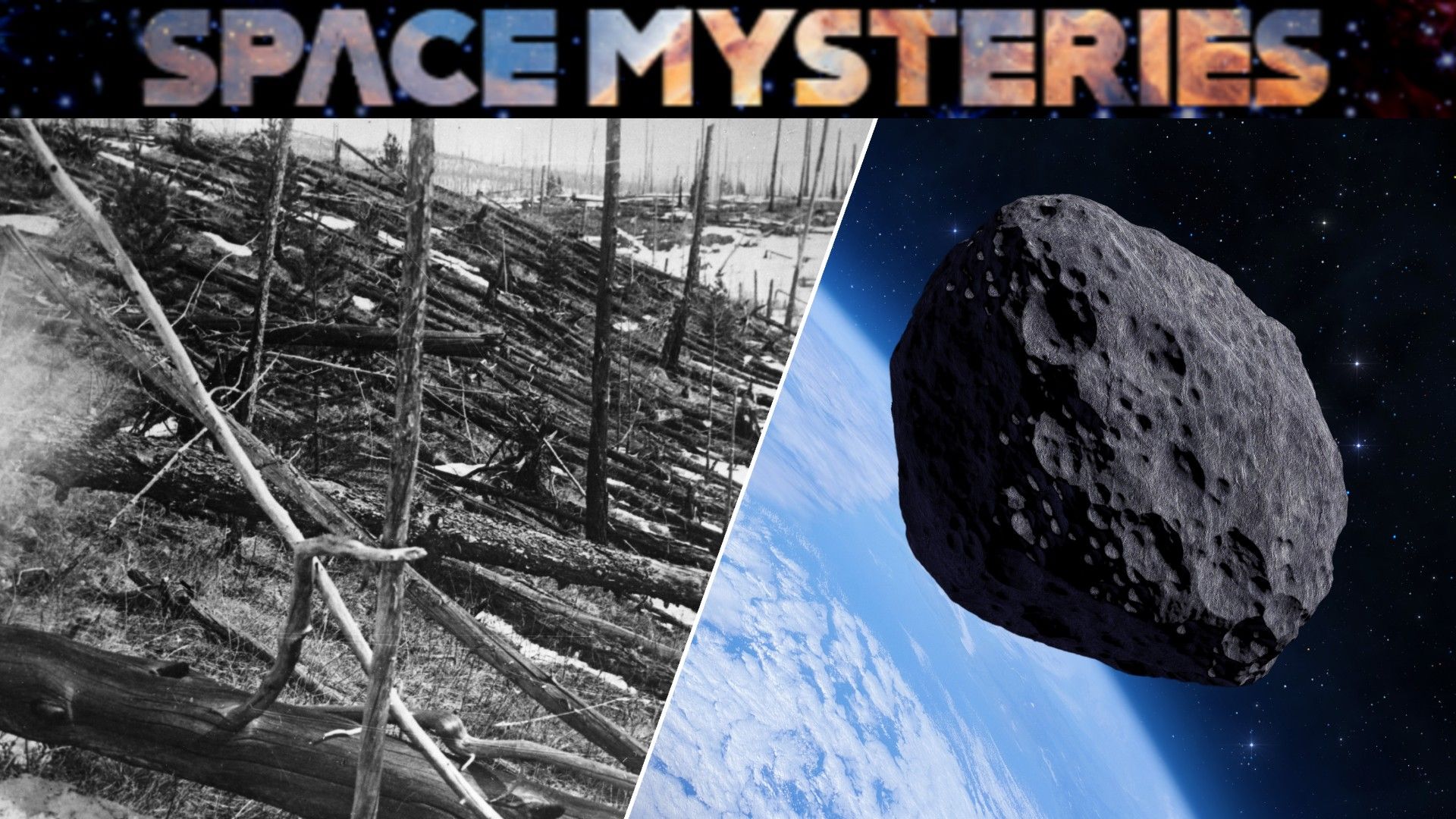
The blast produced enough energy to flatten a significant stretch of the Siberian wilderness, marking an event that still serves as a cautionary tale.
When you purchase through links on our site, we may earn an affiliate commission. Here’s how it works.
Fire erupted in the morning skies over Siberia on June 30, 1908, as an atmospheric explosion occurred that remains unmatched by any similar event in modern history.
That day, at approximately 7:15 a.m. local time, observers in Siberia's remote Tunguska region became witnesses to the entry of a brilliant fireball into Earth's atmosphere, trailing smoke across the dawn sky and culminating in a flash brighter than the sun itself. Within seconds, the explosion and resulting shock waves that followed reportedly knocked some members of the nearby Indigenous Evenki population off their feet, and caused damage to dwellings and livestock, while seismic instruments hundreds of miles away logged tremors caused by the blast.
The blast produced enough energy to flatten a significant stretch of the Siberian wilderness, marking an event that still serves as a cautionary tale — and a major point of reference — for modern planetary defense efforts. Yet some questions remain about exactly what happened, and what the implications are for future potential Tunguska-scale events. For many years after the events of that day, the cause of the blast — known today as the Tunguska event — remained unknown. With time, a likely culprit emerged: scientists now believe a small asteroid, estimated to have been just 130 feet (40 meters) in diameter, exploded after entering Earth's atmosphere.
Remarkably, scientists wouldn't get a firsthand look at the destruction caused by the Tunguska blast for almost two decades, due primarily to the extreme remoteness of the blast location. Further complicating scientific investigations were the First World War, the Russian Revolution, and the ensuing civil war.
One of the earliest attempts to reach the blast site was initiated in 1921 by Soviet geologist Leonid Kulik, who failed in his first effort, but did eventually make his way to Tunguska six years later. Upon arriving, the devastation caused by the event was unmistakable even after nearly two decades.
Curiously, at the blast site's presumed epicenter, a small area of unaffected trees remained standing, albeit stripped of some of their bark and branches. The surrounding countryside, by comparison, was littered with large numbers of trees that were toppled as the shock waves produced by the exploding asteroid high above radiated downward.
In the decades that followed, additional assessment of the site that included expeditions and aerial surveys, primarily during the 1950s and 1960s, revealed another curious feature: a distinctive hourglass- or butterfly-shaped destruction zone spanning well over 800 square miles (2,070 square kilometers), with millions of trees estimated to have been flattened. Yet most curious of all had been what investigators did not find; despite a blast zone of this size, there was no evidence of an impact crater at Tunguska.
What the evidence seemed to suggest was that an explosion had occurred not on the surface following a massive impact, but instead high in Earth's atmosphere — probably as much as several miles above the Earth — as tremendous aerodynamic stresses caused the object to fragment and release its energy before reaching the ground.