// NATURE NEWS — SPAZIO & SCIENZA
Diversify Nobel-prize nominations before it’s too late
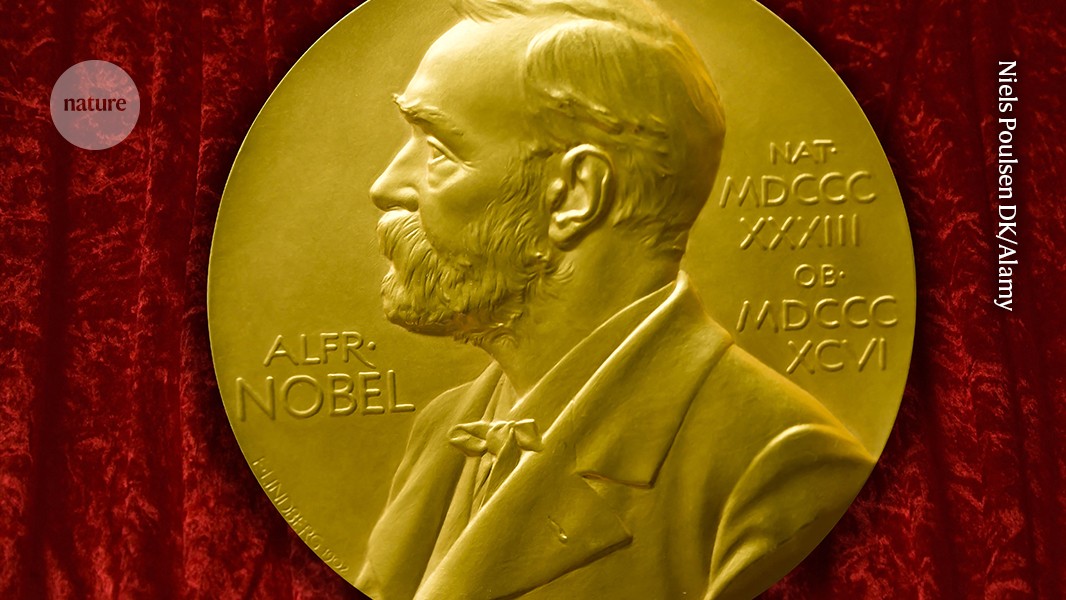
Nobel prizes need to reflect the diversity of today’s science communities, but change will take time.Credit: Niels Poulsen DK/Alamy
The 2026 Nobel Peace Prize was awarded to South African lawyer and legal pioneer Navanethem ‘Navi’ Pillay on 9 October for “exceptional courage and integrity” in strengthening the institutions of international law. The previous day, the Nobel Prize in Literature was awarded to Canadian writer Anne Carson for creating “new forms for contemporary literature”. That day, the Nobel-prize homepage declared that over the course of the literature prize’s history, there had been 119 recipients, 19 of them women.
By contrast, the homepage made no prominent mention of the female laureates in chemistry, economics, physics or physiology or medicine when those awards were announced. All of the 2026 prizewinners in these categories are men. The closest women have come to the science prizes this year was in the announcement of the physics and chemistry Nobels by Ellen Moons, the secretary-general of the Royal Swedish Academy of Sciences — a detail described by one attendee of the physics announcement as “historic”.
More than 30% of this century’s science Nobel prizewinners immigrated: see their journeys
The absence of women from the economics and science categories this year echoes previous clean sweeps for men, most recently in 2021 and 2024. However, the members of the committees that award the prizes care deeply about the imbalance, one of their representatives told Nature, and are determined to see change.
Between 2019 and 2026, science Nobels were awarded to seven women, and there were four years in which no prizewinners were women. During the previous two sets of eight years (2011–2018 and 2003–2010), there were five years in which only men won prizes. In 2011–2018, the winners included four women; in the preceding period, it was five.
Back in 2018, the Royal Swedish Academy of Sciences, which awards the chemistry and physics prizes, wrote to those eligible for making prize nominations, encouraging them to put forward a more diverse range of nominees. That included asking more women to propose candidates and asking nominators to consider diversity in gender, geography and topic. The rules were also changed to allow people to nominate more than one discovery.
One barrier to more rapid change could be the nominations process itself. According to the statutes of the awarding bodies — the academy of sciences, which awards the chemistry and physics prizes, and the Karolinska Institute, which awards the prize for physiology or medicine, both in Stockholm — only a relatively small number of individuals can directly nominate candidates. These include previous Nobel laureates; professors in relevant subjects at universities in Sweden, Denmark, Finland, Iceland and Norway; members of the academy; and members of the relevant Nobel committees.
Other senior scientists can make nominations indirectly, but only if their institution first receives an official letter of invitation from one of the prize-awarding bodies. After the 2018 move to increase the diversity of nominations, letters were sent to more universities around the world. Women now comprise some 40% of this group of nominators, which bodes well for the future.
And there are other ways in which change could be expedited. In an Editorial two years ago, Nature urged the Nobel-prize-awarding bodies to seek help from some of the world’s recognized networks of universities and scientific organizations (Nature 634, 266; 2024). This could enable more letters to be sent to a wider swathe of universities globally. Those bodies said at the time that they would be willing to work with the Nobel organizations to find ways to expand the diversity of nominations. There’s also much that could be learnt from the organizers of newer prizes, especially those designed to recognize achievement among female scientists and researchers from other under-represented communitie