// TOM'S HARDWARE US — HARDWARE & GADGET
Elon Musk calls out memory makers over 'extortionate' chip pricing, says Micron is playing smart for long-term loyalty
When you purchase through links on our site, we may earn an affiliate commission. Here’s how it works.
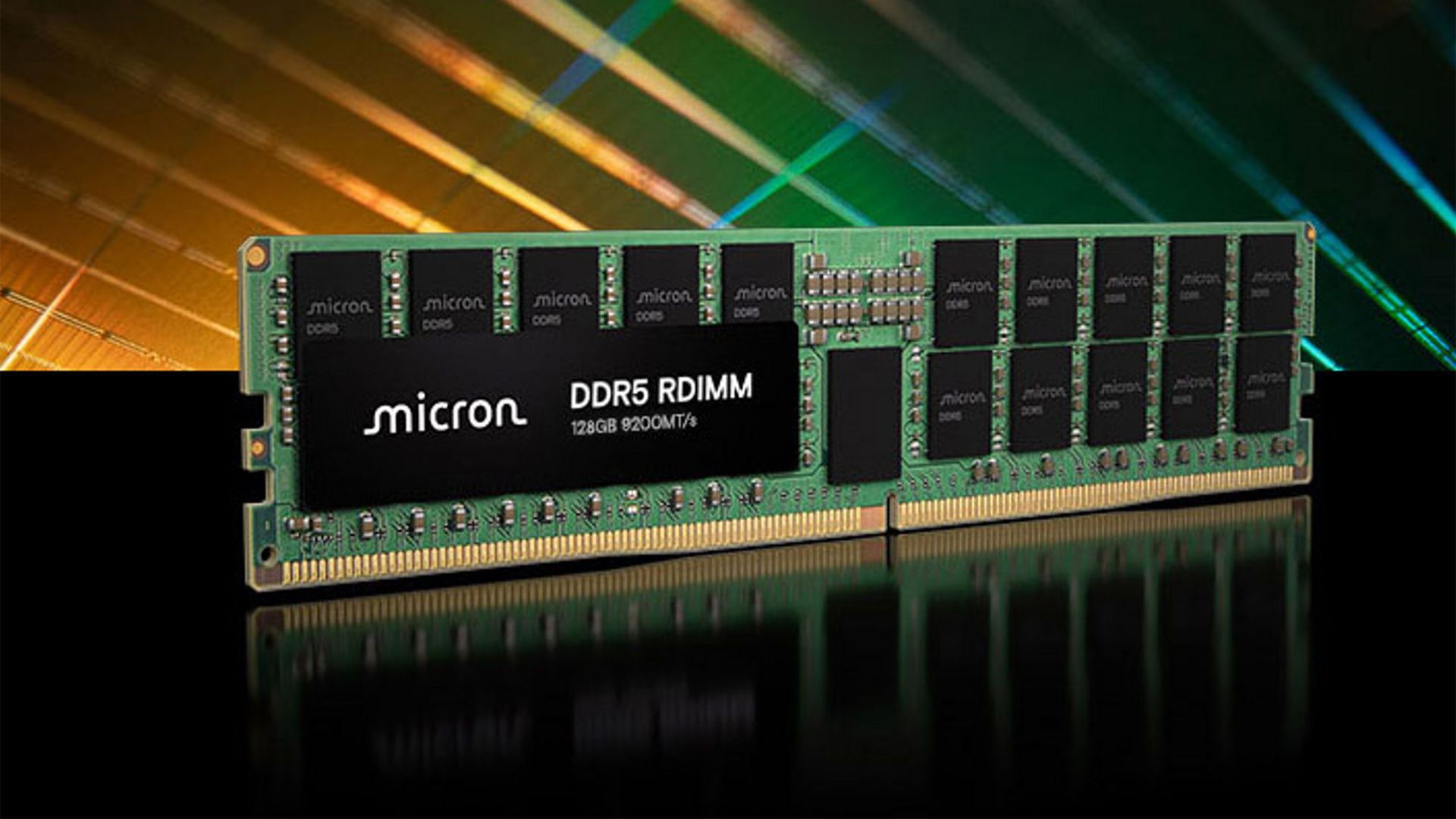
Elon Musk has criticized memory makers for what he calls 'extortionate' pricing amid an unprecedented shortage of both conventional DRAM and high-bandwidth memory (HBM). Although Musk did not identify the companies he criticized, his remarks seem to be directed at Samsung Electronics and SK hynix, as he praised Micron for its more 'reasonable' approach at the same time. Interestingly, Micron also enjoys exceptionally high profitability: its latest quarterly gross margin reached 81%.
"Micron has been reasonable regarding future memory prices, while others have been extortionate, which is something today's customers will not forget," Musk wrote in a post on X. "Micron is making the smart move for long-term customer loyalty."
Musk did not provide specific details of said extortionate pricing or disclose terms offered by different memory suppliers (which tend to be confidential). Consequently, it is impossible to determine whether Samsung and SK hynix charge substantially more than does Micron for comparable products. Nevertheless, Musk's remarks suggest considerable frustration with the pricing policies of South Korean memory manufacturers.
Over the past several quarters, memory has transformed from an easy-to-obtain commodity to a strategic asset, and makers of 3D NAND and DRAM have certainly benefitted massively from this shift. Historically, memory makers have responded to strong demand and rising prices with aggressive capacity expansions, which eventually led to oversupply and falling prices. This time around, however, manufacturers have raised memory prices severalfold without comparable increases in production capacity. As a result, supply still lags behind demand and will continue to do so for years to come, which puts further upward pressure on memory prices.
What makes Musk's praise of Micron particularly interesting is the company's financial performance, which clearly suggests that the company is taking advantage of the situation in the market. In its fourth quarter of fiscal 2026, Micron reported revenue of $54.23 billion and a GAAP gross margin of 81%, up from 40% a year earlier. The company's cloud memory unit earned $16.283 billion, and its non-GAAP gross margin totaled 83%; its core data center storage business sold goods worth $18.002 billion with a 90% gross margin; while sales of the automotive and embedded units totaled $6.824 billion with gross margins reaching 84%.
Perhaps the most surprising part of Micron's last quarter report was its mobile and client revenue of $13.114 billion and non-GAAP gross margin of 90%, which means that Micron earned higher profit selling memory and storage for client devices than it did for selling memory solutions for data centers. Such results clearly indicate that even supposedly reasonable memory prices can generate extraordinary profits in the current market.
Memory manufacturers are increasingly shifting toward long-term supply agreements (LTAs) that guarantee future supply and provide customers with predictable prices of DRAM, HBM, and NAND. So far, Micron has signed 26 strategic customer agreements that cover more than 35% of its expected revenue through 2030. These contracts include $32 billion in customer financial commitments, most of which consist of cash deposits. The company acknowledges that its new agreements reflect higher prevailing memory prices, and it by no means is trying to sell memory at a discount.
Get Tom's Hardware's best news and in-depth reviews, straight to your inbox.
Samsung has reportedly secured long-term contracts covering 75% – 80% of its planned memory output in 2027, according to South Korea's Korea Economic Daily (via @Jukan05). SK hynix is reportedly pursuing similar arrangements as AI infrastructure investments continue to absorb available memory capacity.