// 9TO5GOOGLE — MOBILE & WEB
The smart home may be too messy even for Google
Good morning! Today I’m watching this epic discussion between Thom Yorke and Harry Styles, reading everything I can about the new Ocarina of Time remake, playing MMO Solitaire with 400 other people, and jamming to Remi Wolf’s new album, Mud.
As a reminder, Inbox is the tech newsletter that goes beyond the news cycle. We cover the most important 9to5Google stories from the last couple of days along with a few highlights from around the web. We publish every Tuesday and Thursday, and if you like what you read, please subscribe.
Inbox is written by Daniel Bader. Read previous issues here, and then catch up with Ben Schoon’s excellent Weekender column published every Sunday.
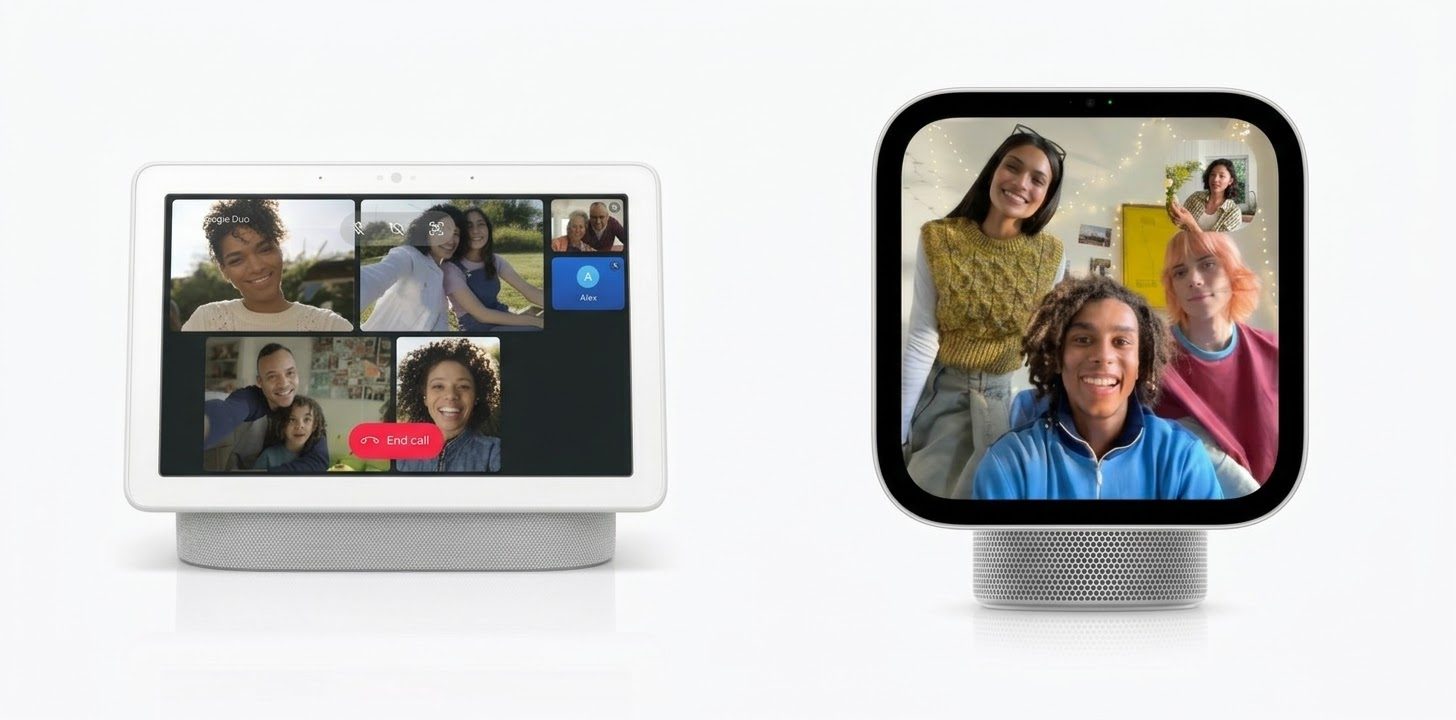
What’s clear to me from Apple’s bevy of announcements this week is that no one knows how to solve the smart home. The HomeView is the opposite of a home run; the new Apple TV 4K is more than twice the price of its predecessor with little to show for it; the HomePod Mini 2 won’t even ship with Siri AI; and the Apple Home Collection is a collective snore whose products do little to justify their existence.
Apple now finds itself pushing the same boulder uphill that Google and Amazon have repeatedly let roll over them for a decade. That is, the smart home is not a singular thing, and even reduced to cameras, light bulbs, locks, and a cavalcade of sensors, its complexity is, for the average person, insurmountable. Some houses may have a couple of Hue lights and a security camera or a water sensor and a smart lock, but the unification of its myriad standards and platforms, even with Matter claiming to solve many of them, still poses many hurdles.
To its credit, Google seems to be righting its own smart home ship at just the right time. While Ben pointed out this week that the Nest Hub hasn’t had a hardware refresh in half a decade, the Gemini-powered platform on which it runs is constantly being improved, and just this week added support to control Hue lights locally over the Matter protocol.
The move to an LLM-powered smart home hasn’t been smooth for any of the platform owners. Amazon, arguably the early leader in the space, has struggled to gain adoption for its Alexa+ platform. According to The Verge, it “has the memory of a goldfish” and “lacks the personal context a personal assistant needs,” an advantage that Apple and Google share thanks to owning smartphone platforms.
I’d also argue that Google’s first-party Nest hardware isn’t in a bad place, despite its glacial pace of change. The $100 Google Home Speaker is pretty good for the price, and the fourth-generation Nest Learning Thermostat is among the best products the company’s ever made.
With the HomeView, Apple may be going for simplicity over functionality, but in a smart home environment I’m not really sure that’s possible. And even if it does end up selling a boatload of tiny kitchen displays, Google’s in no less strong a position than it was last week. In fact, it may even make the inevitable Google Home Display more compelling.
This section has some of our favorite stuff from around the internet. Great videos, weird memes, fun reads, recommended apps, whatever. Send us your recommendations!