// 9TO5GOOGLE — MOBILE & WEB
Review: The Oppo Find X10 Pro Max is a gut punch in a post-OnePlus world
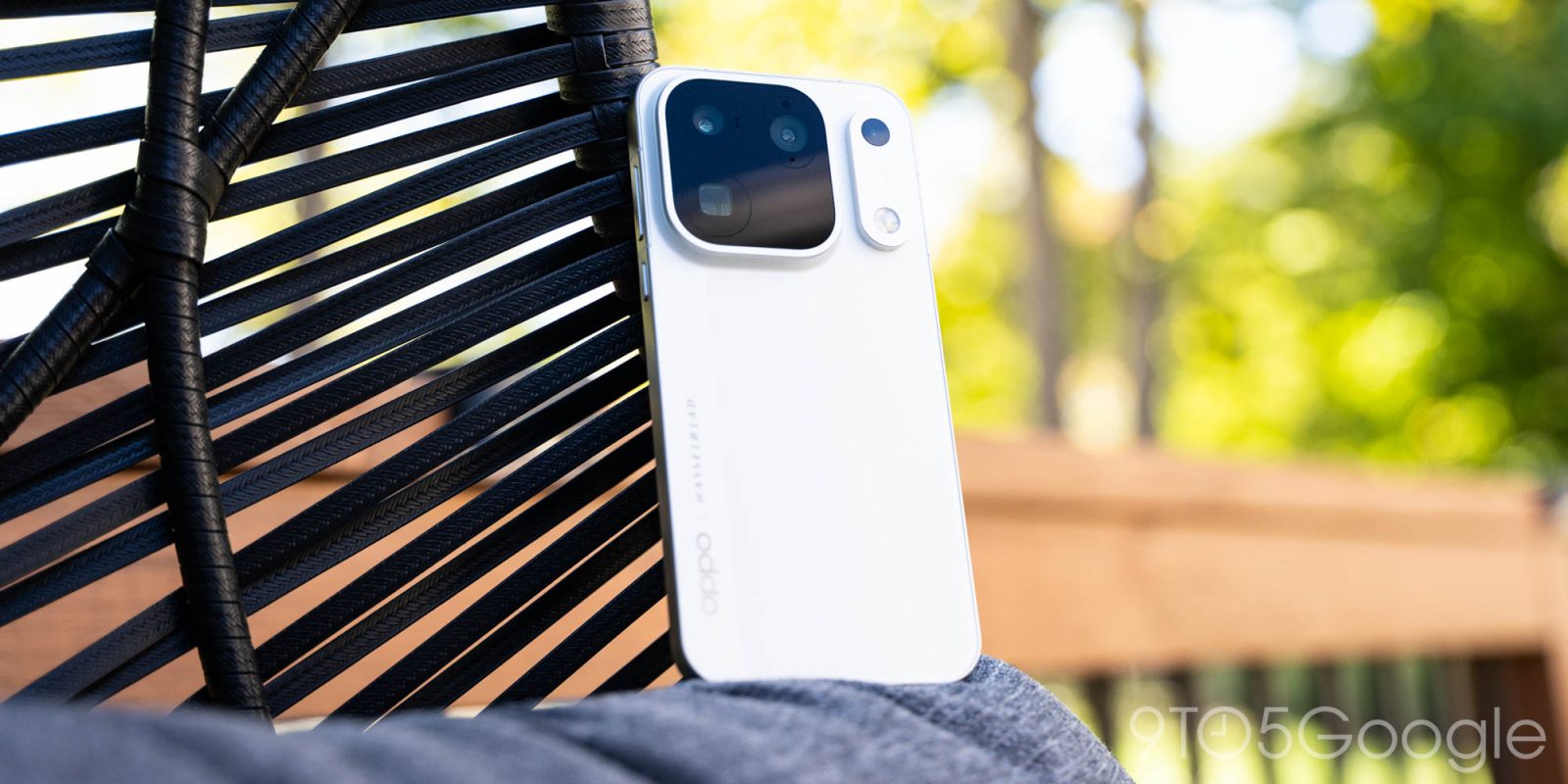
OnePlus is dead. The enthusiast-focused brand turned Oppo for the rest of the world was shuttered, ironically only for the rest of the world, earlier this year and its memory loomed large over my past few weeks using the Oppo Find X10 Pro Max. For as great is this phone is, it’s a sad reminder that phones like these are going to be lacking in some parts of the world going forward, and that’s a crying shame.
The Oppo Find X10 Pro Max is a beast on paper, though not quite the Find X9 Ultra I fell head over heels for earlier this year. To quickly summarize what you’re getting here (specifically for the EU variant):
By basically every measurement, a true flagship. The cameras, as mentioned, aren’t quite at the level of the Find X9 Ultra, but it’s still impressive to see three 200MP sensors on board here.
Oppo touts killer video from this setup, including 4K/60fps, 4K/120fps, and 8K/30fps from every rear-facing lens, as well as improvements to HDR and stabilization. These can certainly go a long way in creator spaces, and I was impressed at the quality even in more casual use cases. Oppo worked with Instagram, for example, to improve uploads from the Find X10 series and the results speak for themselves.
As per usual, I found myself mostly using the camera here for stills, and I still find myself loving the experience of shooting on an Oppo flagship. Shots are generally crisp and clean, and the app is very easy to use despite all of the options it builds in. Compared to the Ultra I last used, I found myself wishing the telephoto lens had more range, as the 3x optical zoom quickly felt its limits kicking in. Oppo supports up to 120x hybrid zoom, but the quality falls off long before that, and the AI-powered enhancements really struggle to bridge the gap on anything beyond 10x. I wish the company had just used a 5x lens here rather than 3x. Still, most shots I took were excellent, and that 3x lens is the best shooter of the bunch, producing excellent natural bokeh in its shots. The 200MP sensor and Oppo’s software go a long way in ensuring that anything in the 3x-8x range, give or take, comes out at full quality. Not to mention the color processing – it nailed the colors of an absolutely gorgeous sunset I captured a couple of weeks ago. My Pixel would never.
Adding on Oppo’s 10x teleconverter takes the whole thing up a notch, with levels of natural bokeh that just aren’t achievable on a smartphone otherwise. It’s not as crisp as a “real” camera with the same lens setup, but the results are often stunning.
But, outside of the camera, how does the Oppo Find X10 Pro Max hold up?
The hardware itself is fantastic. I reviewed the “Lumos White” trim which is a tiny bit lighter than others, but it’s still a fairly hefty phone regardless. I don’t mind the weight, though, when a phone is delivering powerful camera hardware. The same goes for the camera bump which pops out of the back quite a ways. I do loathe that Oppo opted for this dual-size camera bump where the main square off to the left is taller than the secondary bump used to house the flash and color-focused camera lens. It results in a phone that rocks back and forth on a table when not in a case, despite such an obvious solution sitting right there. It’s annoying, but I do appreciate other touches here such as the knurling around the camera lens and the splash of orange from the Hasselblad partnership (though the little ridge picks up dust like crazy).
This is where I’ll throw in the mention that I found myself using Oppo’s carbon fiber case throughout my entire review period, not because I felt the phone needed a case, but because this is yet another Android flagship forgoing built-in Qi2 magnets. The excuses are just lame at this point, especially with Oppo pretty heavily investing in magnetic accessories. It’s getting old saying this in every review, but I’m going to keep bringing it up until it becomes the standard it should be.
The frame has power and volume buttons off