// ARS TECHNICA — MODA & SOCIETÀ
Review: Carrie is a triumphant remix with one major flaw
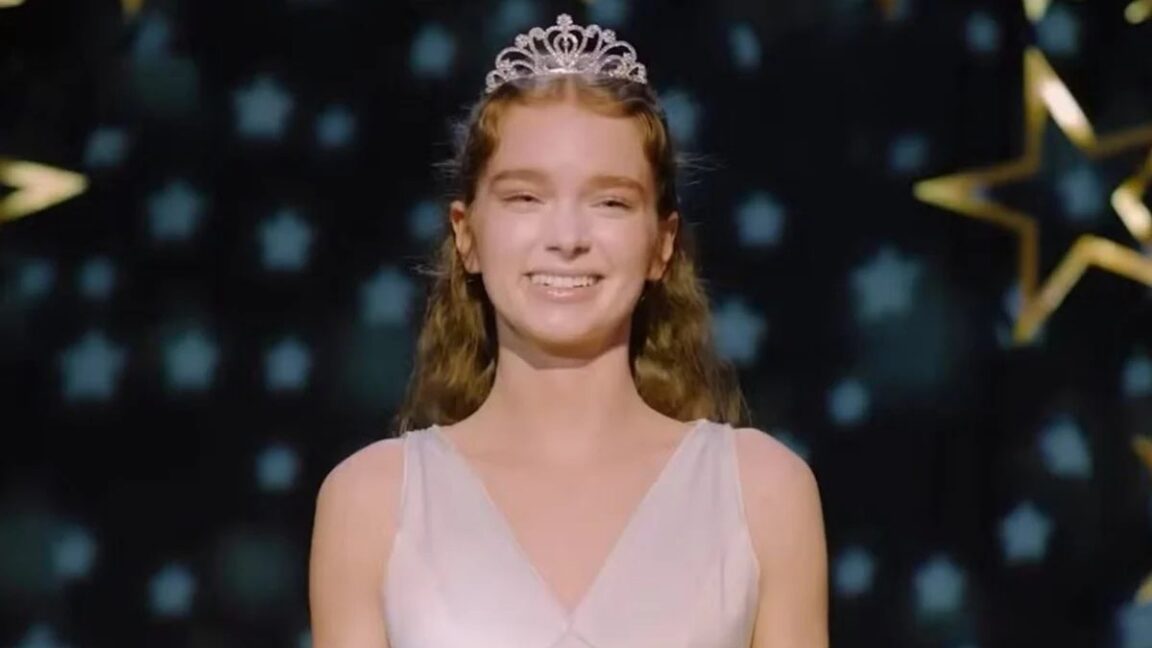
Mike Flanagan’s re-imagining of Stephen King’s classic is well worth watching.
Carrie White, the telekinetic prom queen from hell, is one of the most beloved horror icons in popular culture. First introduced in Stephen King’s 1974 novel, Carrie, the character was immortalized in director Brian De Palma’s 1976 adaptation, widely regarded as one of the best horror films of all time. It’s certainly one of the best King adaptations. So Mike Flanagan faced a massive challenge when he signed on to create an eight-episode miniseries for Prime Video based on the book, released just in time to mark the 50th anniversary of de Palma’s film.
I was among the skeptics who questioned why a Carrie miniseries was even necessary, although as a diehard Flanagan fan (“Flana-fan”?), I was willing to give him the benefit of the doubt. If anyone has an affinity for smartly adapting horror in general, and King’s work in particular, it’s Flanagan. And you know what? With one (very big) exception, Flanagan pulls it off, giving us a richly textured version of the story that is as much about kindness and lost innocence as bloody, vengeful rage—although we get plenty of the latter, too.
(Many spoilers below for the novel and the 1976 film, but there are no major reveals for the new series until after the second gallery. We’ll give you a heads-up when we get there.)
King initially meant to write a short story after reading an article in Life magazine about telekinesis. He imagined a scene where a bullied young girl gets her first period in a high school locker room as the centerpiece of the story but struggled to capture how his female character would react in that situation. He wrote three pages and tossed them in the trash. Fortunately, his wife Tabitha salvaged the pages and convinced King to try again. He eventually expanded it into a full-length novel, basing Carrie on two girls he knew in high school who had been bullied relentlessly.
Fun fact: In an early draft of the infamous prom scene, King had Carrie grow horns and use her telekinetic powers to take out an airplane flying overhead. His editor convinced him to go with a more “subtle” ending. Granted, dumping pig’s blood on his protagonist and having her destroy the entire town in revenge is hardly subtle, but it’s a vast improvement on devil horns.
Carrie was not an instant bestseller; it was the mass-market paperback edition that sold over a million copies and put King on the map as a writer. It also piqued the interest of director Brian De Palma after a mutual friend of King’s recommended the book. De Palma instantly recognized the film potential and optioned the rights before searching for the perfect actress to play Carrie.
Sissy Spacek was still relatively unknown, although she’d had a breakthrough role in the 1973 neo-noir drama Badlands. Her husband, a production designer, convinced her to audition for the film. She wasn’t de Palma’s first choice for Carrie, but Spacek was determined to win him over, even rubbing Vaseline in her hair and wearing her seventh grade sailor dress to the audition. She got the part, and the rest is cinematic history.
De Palma kept most of the novel’s key scenes intact in his adaptation, with a few changes. For instance, in the book, Carrie kills her mother, after the latter stabs her, by telekinetically stopping her heart, calling it a “gift” since Margaret White has always longed for “darkness.” In the film, Carrie impales Margaret (Piper Laurie) with flying kitchen knives, crucified within a door frame, before perishing herself. The director also tried to include a framing device in which stones fall from the sky onto the White family home—a key moment from Carrie’s childhood in the book—but in the opening scene the rocks just looked like falling raindrops, and there was a mechanical malfunction while filming the house’s final destruction by falling stones. So De Palma opted to destroy it by fire instead.
In the novel, survivor Sue Snell is psychicall