// ARS TECHNICA — INTELLIGENZA ARTIFICIALE
Electric or gas? BMW goes both ways with new 2027 X5 and iX5.
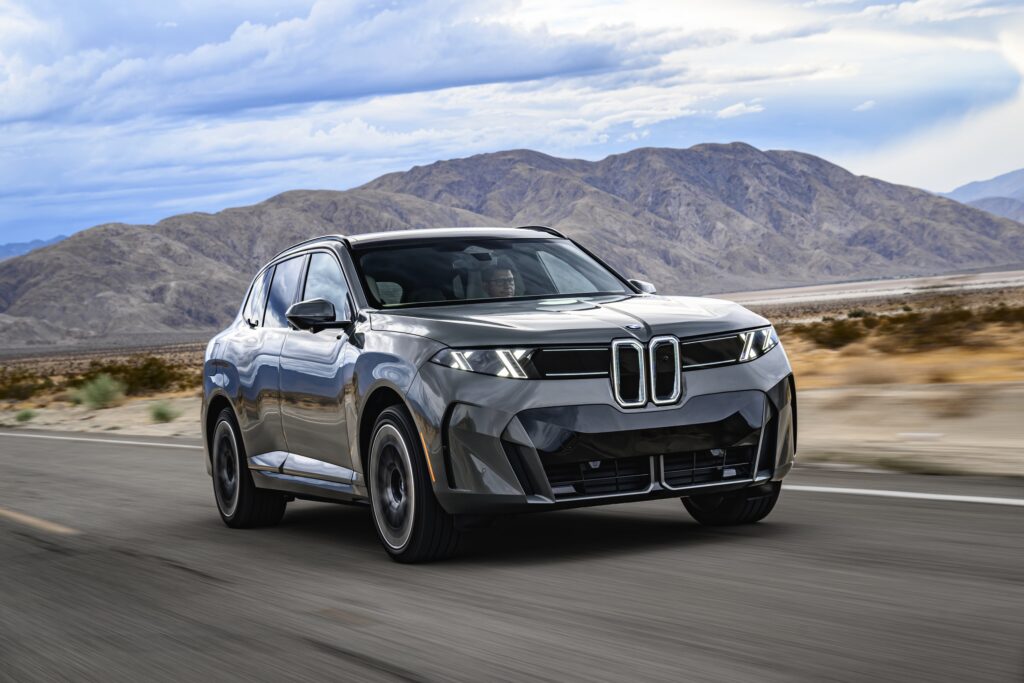
460 kW charging and 450 miles of range are among the reasons the EV is the one to get.
When we first drove BMW’s first Neue Klasse model, the iX3, it quickly revealed that BMW knows how to make a good electric vehicle. A clean-sheet design, it featured the automaker’s sixth-generation electric powertrain, a completely reimagined dashboard, and powerful computers to run the whole show. Now, much of that technology is being ported over to the larger X5 line.
But BMW knows not all its customers are ready to go electric, especially in the US, so it’s sticking with its powertrain-agnostic CLAR platform, as used in cars as diverse as the large 7 Series and the new gasoline 3 Series. Which means in addition to the all-electric iX5, there are also mild hybrid and plug-in hybrid X5s available, and in time, even a hydrogen-powered option. For now, as I’ll explain, I think the EV is the pick of the bunch.
The most conventional option is the X5 40 xDrive, powered by a 3.0 L turbocharged inline six-cylinder engine that generates 394 hp (294 kW) and 428 lb-ft (580 Nm). The 48 V mild hybrid system can contribute a decent slug of torque (148 lb-ft/200 Nm) if necessary, and the engine operates under the Miller cycle for better efficiency, as well as featuring the usual BMW engine technology, like variable valve timing. Expect around 26 mpg (9 L/100 km) from this powertrain and a full-to-empty range of 569 miles (915 km).
In time, a 400 V plug-in hybrid X5 50e xDrive will join the mix on the production line at Spartanburg, South Carolina, with a 26.5 kWh battery pack and about 44 miles (71 km) of electric range. And eventually, BMW’s hydrogen fuel cell tech will find its way under the hood of the new-generation X5 too. But those wanting something more efficient than the X5 40 can consider the iX5.
BMW is sticking with its strategy of an asynchronous motor for the front axle and an electrically excited synchronous motor for the rear drive unit, thanks to the lower losses of these motor types compared to motors that use permanent magnets. There is a combined output of 570 hp (425 kW) and 593 lb-ft (804 Nm): The front motor generates 245 hp (183 kW) and 225 lb-ft (305 Nm); the rear produces up to 325 hp (242 kW) and 369 lb-ft (500 Nm).
Between the axles at the heart of the iX5 is a rather massive 144 kWh (usable) battery pack, made up of BMW’s new 120 mm cylindrical cells. These are taller than the 95 mm cells in the iX3, which increases energy density by 30 percent over the smaller SUV’s pack. So even if it’s not quite as long-legged as the gas X5, it should still get 450 miles (724 km) on the EPA test cycle, BMW told us. The car’s route planning is designed to take charging into account and uses onboard AI to “consider expected charging capacity, reliability, and precise station location data when selecting stops.” It will even automatically open the charging port flap when you arrive.
Like the smaller Neue Klasse EVs, the pack operates at 800 V, but it is even more capable when it comes to DC fast charging. At a demo during the first drive in California, we watched as an iX5 plugged in at 10 percent state of charge. Within a little over nine minutes, the EV had reached 50 percent SoC, peaking at 465 kW and averaging 375 kW throughout the session, which delivered 61.5 kWh. (The IONNA station had been specially upgraded to charge above the usual 400 kW.) While that kind of power level is now old hat for some Chinese automakers, it’s a big step forward for a European OEM.
A 10–80 percent fast charge takes as little as 22 minutes—provided you have access to a 460 kW charger—via the NACS port. That same port will accept up to 15.4 kW of AC power via BMW’s home charger, or you can use the provided 11 kW onboard AC charger. There are adapters for both V2H and V2L, as the X5 is capable of bidirectional charging.
For decades, BMW’s orange-lit cluster of instrument dials was instantly recognizable. But the move to digital cockpit displays put an