// SPACE.COM — SPAZIO & SCIENZA
The 2027 total solar eclipse will plunge these 10 ancient Egyptian temples and monuments into darkness
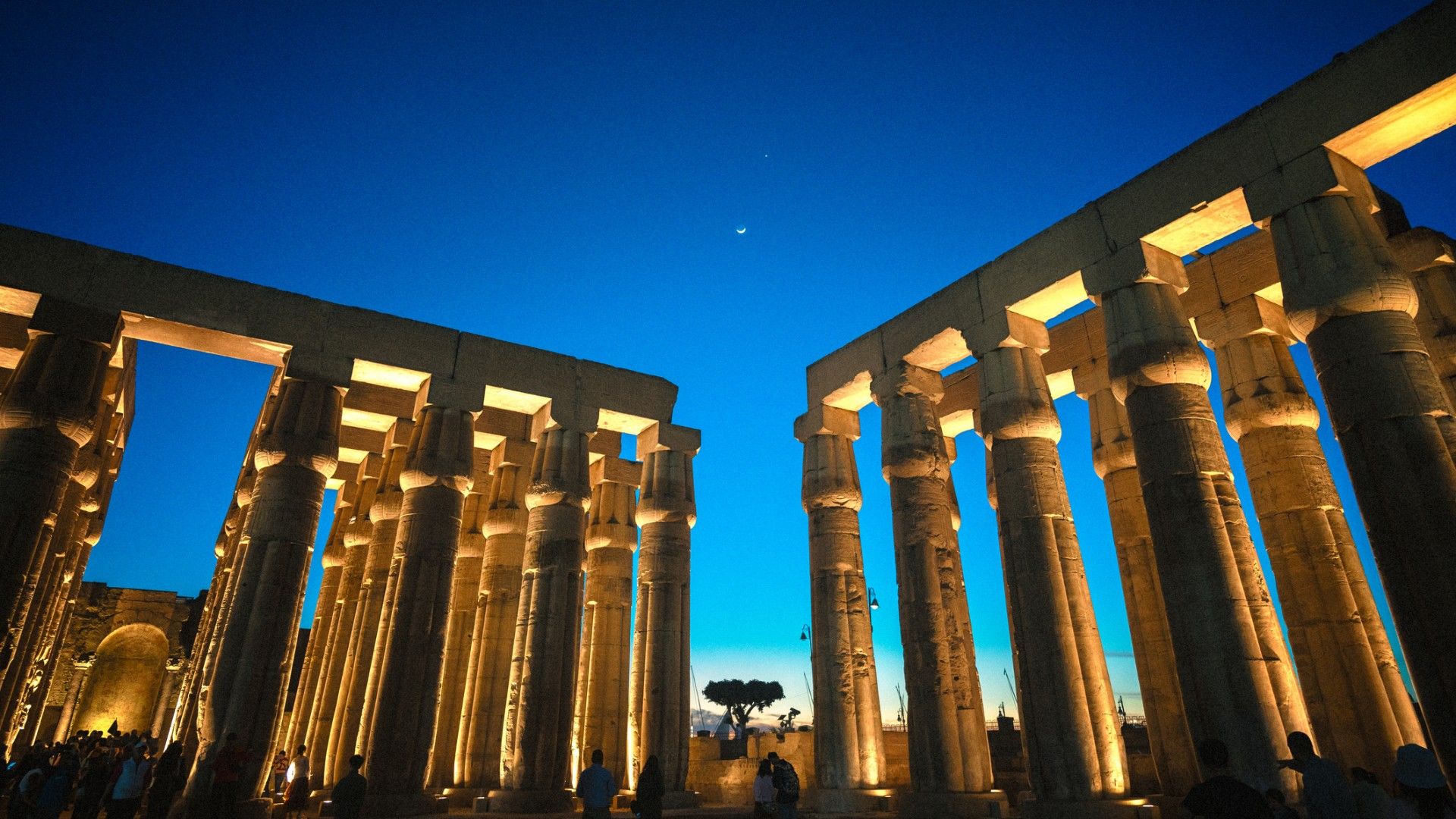
The "eclipse of the century" will plunge some of ancient Egypt's most spectacular sites into darkness on Aug. 2, 2027. These temples, tombs and monuments are inside the path of totality.
When you purchase through links on our site, we may earn an affiliate commission. Here’s how it works.
The total solar eclipse on Aug. 2, 2027, has an ancient feel. It will certainly be a celestial event for the ages — at 6 minutes 23 seconds, it will feature the longest totality on land of the 21st century and the longest anywhere until 2114. However, its point of greatest eclipse occurs just a few miles from Thebes, the magnificent religious and political capital of ancient Egypt's Middle Kingdom and New Kingdom.
On the east bank of the mighty Nile is Luxor, the great city of the living, with its massive temple complexes of Karnak and Luxor. On its west bank is the city of the dead, which includes the Valley of the Kings and the Temple of Hatshepsut. Modern Luxor, population 285,000, is set to become a focal point for eclipse chasers on Aug. 2, 2027, and will attract many thousands of international visitors. They'll come for the forecasted 0% chance of clouds and the era-defining duration of totality, but also to tour ancient Egypt's temples and monuments.
The chances of actually witnessing totality at any of the major temples are probably slim. Still, almost every eclipse chaser headed to Luxor will want to tour them before or after the eclipse. Visitors should be prepared for extreme August heat and check official opening and access arrangements before planning to watch the eclipse at any archaeological site. Certified eclipse glasses are essential during the partial phases; only during totality, when the sun is completely covered, is it safe to look without them.
Not all of ancient Egypt will experience totality. Egypt's top-ranking monument, the Pyramids at Giza, near Cairo, lies north of the path of totality and will get a 95% partial solar eclipse. Abu Simbel, on the shores of Lake Nasser south of Aswan, will also see a 92% partial solar eclipse. No matter, Luxor is home to some of the world's most impressive and well-preserved ancient monuments. Here are its temples, necropolises and palaces — and those nearby, also in the 160-mile (257-kilometer)-wide path of totality — that will have the moon's umbral shadow fall upon them on Aug. 2, 2027. All times, totality durations and historical cloud cover data come from Time and Date.
Start of totality and duration: 1:02 p.m. EEST; 6 minutes, 19 seconds
Dedicated to the god Amun-Ra — a fusion of the hidden god of the sun Amun and the ancient sun god Ra — this vast temple complex will be the hottest ticket in town for the eclipse. One of Egypt's most impressive and well-preserved ancient monuments, it's a place designed by ancient astronomers — the winter solstice sunrise still illuminates the innermost sanctuary. Access arrangements for eclipse day have yet to be confirmed, so keep an eye on official announcements before making plans to watch totality from the complex.
Start of totality and duration: 1:02 p.m. EEST; 6 minutes, 19 seconds
This is one of Egypt's best-preserved ancient temples and a must-see during the 2027 eclipse. It's on the banks of the Nile near the city center, so it's relatively easy to visit. Dedicated to the god Amun, it is known for its beautiful pillars and intricate carvings. A 75-foot (23 meters) tall obelisk on the east side of its entrance will point at the eclipsed sun almost directly overhead on Aug. 2, 2027. Its missing right-hand obelisk is in the Place de la Concorde, Paris.