// 9TO5MAC — MOBILE & WEB
iFixit tears down iPhone Duo, finds possible causes of early screen failures
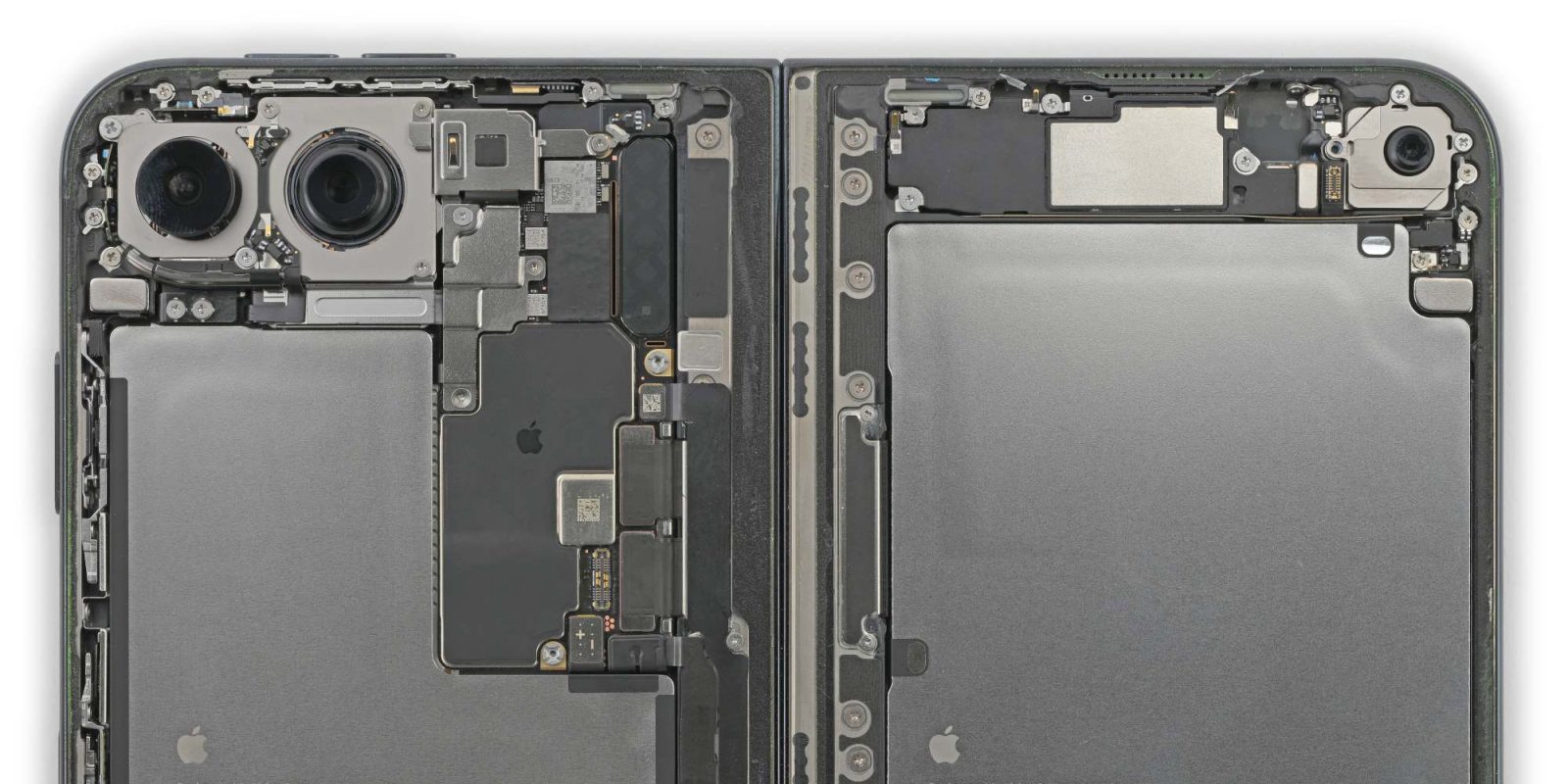
iFixit’s teardown of the iPhone Duo is up, revealing some interesting (and some worrisome) details about what it calls the most repairable foldable phone yet. Here are the details.
iFixit’s much-anticipated teardown of the iPhone Duo is now live. Among the many interesting findings of its disassembly process, perhaps the most positively surprising one is its repairability score: the iPhone Duo gets a 5 out of 10, which iFixit says is the highest score it has ever given a foldable smartphone.
Granted, this is a provisional score, pending the availability of replacement parts, but it’s still an encouraging result for Apple’s first foldable.
As usual, the teardown is very detailed, and I encourage you to watch the video below and read iFixit’s in-depth blog post here.
Unsurprisingly, much of the teardown focuses on the hinge, which is the biggest news of this iPhone. As iFixit notes, Apple’s patents had already been offering clues about its design for years. Still, now that it’s here, the teardown reveals an even more intricate and fascinating mechanism than those filings suggested.
iFixit’s teardown starts with its now-traditional fluorescent dust test, which lets the team track how dust particles enter the device as they disassemble it.
The iPhone Duo has an IP68 rating, which means it’s dust-tight and can withstand submersion in water up to 6 meters deep for 30 minutes.
Right off the bat, they notice that the hinge starts making crunchy sounds after the dust test. As the teardown progresses, though, they find that relatively little dust has made its way into the hinge, especially compared to other foldable phones they’ve tested.
The hinge itself features an intricate combination of gears, springs, and interconnected metal joints, along with a waterdrop design that makes room for the display to bend without folding too sharply. This waterdrop design is rather commonplace for foldable phones by now, though Apple’s implementation adds some interesting engineering tricks of its own.
Apple also uses curved guides to control how the joints move, to reduce the stress placed on the display as the phone opens and closes.