// ENGADGET — MOBILE & WEB
Vivo's X500 Pro Max is another camera-focused smartphone with more video tricks
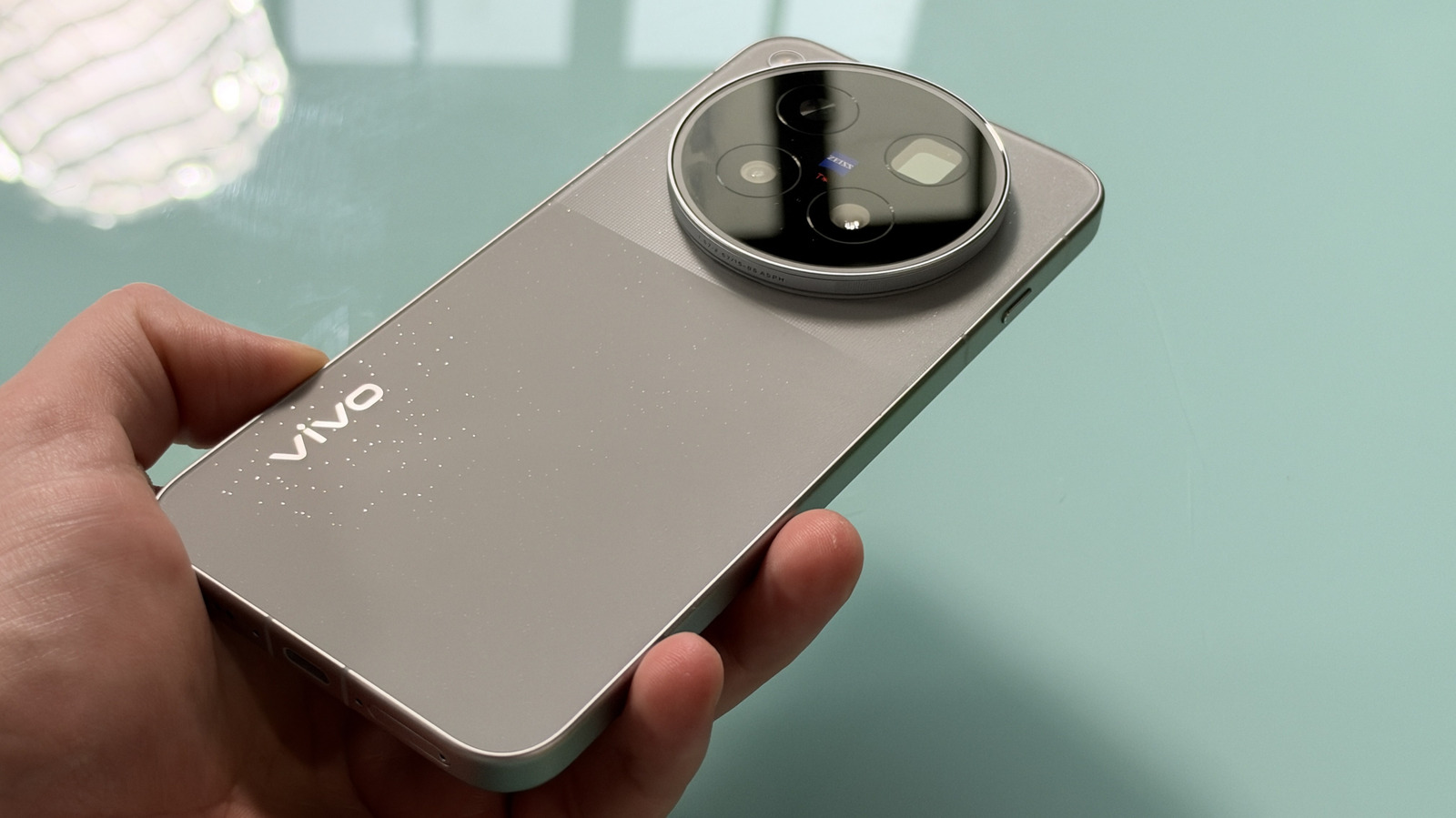
Vivo and Oppo are launching similar phones with different priorities.
Vivo is one of several Chinese phone manufacturers rapidly iterating on high-spec camera smartphones. However, it remains less well-known than rivals like Xiaomi and Oppo. The X500 Pro Max features attachable telephoto lenses, cage grips and a partnership with lens maker Zeiss. Surprise, it's all about the cameras (again), but with a videography twist!
As we saw with Oppo's Find X10 Pro Max, Vivo faces the challenge of being compared to its existing, more premium smartphone, the X300 Ultra, at a time when phone prices are soaring. The X500 Pro Max is a major upgrade over the X300 Pro, and it even bests the X300 Ultra in some areas.
The biggest camera upgrade is a new 50-megapixel Sony Lytia 1/1.28-inch sensor with an f/1.6 aperture, which offers 17 stops of dynamic range (sound familiar?), due to the sensor's LOFIC technology. It also packs a 50MP ultra-wide camera with a 1/1.75-inch sensor, while the telephoto camera uses a higher-resolution (and larger) 200MP 1/1.4-inch sensor for lossless zoom up to 10x magnification.
Vivo goes hard on image stabilization again, with the main sensor using three-degree gimbal-grade stabilization — a clear highlight when I compared video footage against the Find X10 Pro — while the telephoto camera has CIPA 7-rated OIS. They're two versions of a similar thing: A three-degree rating measures the physical range of motion the camera hardware can compensate for, while a CIPA 7.0 rating measures the final anti-shake effectiveness in terms of exposure time.
The latter, found on the periscope telephoto camera, helps optimize long zoom and low light, when small movements and micro-tremors from your hand can affect capture. The "gimbal grade" three-degree OIS helps stabilize shots when you're shooting action and recording video on foot.
Video is once again a very important part of the X500 Pro Max's feature set. The "Pro Video Mode" supports users' custom LUTs, with a real-time preview of how it will look. Vivo's log format also supports the ACES workflow for video professionals working with a smartphone camera.
All the gimbal advances ensured that the video footage I recorded on the X500 Pro Max is some of the smoothest, judder-free footage I've ever captured without a dedicated gimbal (or a robot camera). In low light, the footage lacked the pulsing pixel effect that often happens when a camera struggles to stay in focus.
The pro camera interface looks professional, but on a 6.85-inch display, the on-screen buttons and readouts are a bit tiny. Notably, the X500 Pro Max lacks an open-gate recording option, which Oppo does have on its Find X10 Pro Max. (Score one, Oppo.) With an upgraded processor compared to the Ultra, the X500 Pro Max supports 4K recording at up to 240 fps, doubling the X300 Ultra's 120 fps cap.
Vivo's LOFIC camera sensor uses different technology to Oppo's DeepPix, but the result is broadly the same: 17 stops of dynamic range. The route is different, though. The LOFIC sensor adds extra capacitors to each pixel to catch and store overflow light charge. Meanwhile, Oppo's DeepPix redesigns the existing pixel setup inside a sensor, using FDTI (Front Deep Trench Isolation) to isolate pixels and expand capacity physically.