// TOM'S HARDWARE US — HARDWARE & GADGET
Fields Medal-winning UC Berkeley professor ends graded homework due to AI cheating
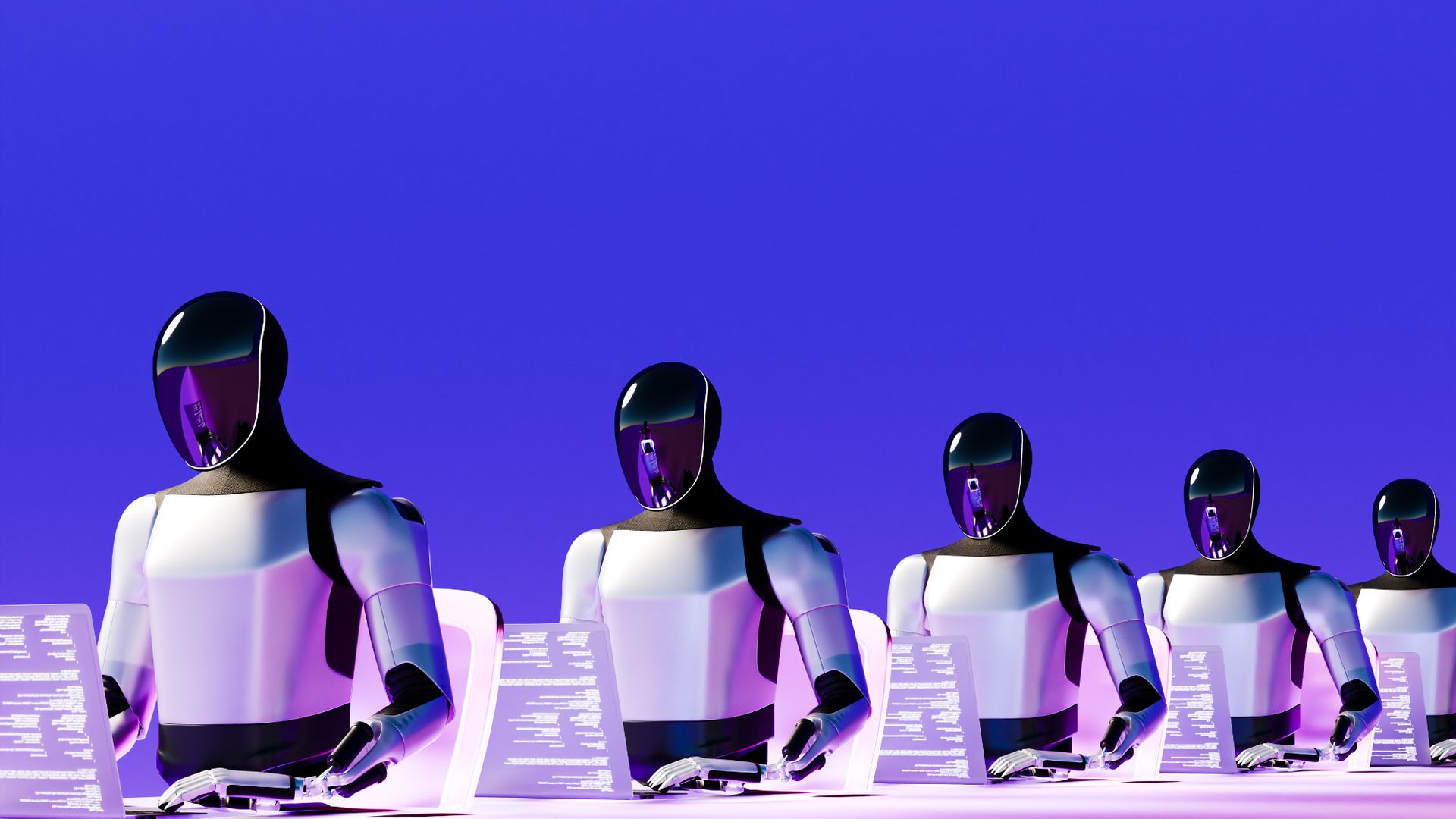
AI has gotten so good that it’s increasingly difficult to differentiate between human- and AI-generated homework.
When you purchase through links on our site, we may earn an affiliate commission. Here’s how it works.
A University of California, Berkeley (UC Berkeley) professor has stopped giving his students graded homework, saying that rampant AI use has made it pointless. According to the New York Post, renowned mathematician Richard Borcherds said that it’s now nearly impossible to tell the difference between a student-written submission and one that’s been created using artificial intelligence. Because of this, he now primarily uses in-person exams with no electronic devices to grade his students and see how well they are doing in his class.
“Online exams are now a waste of time as several students just use AI to answer the questions. I cannot tell which students are using AI, but I notice the average score increases a lot in online exams,” Borcherds told the publication. He also added, “Grading for correctness just adds a huge incentive for them to use AI for homework instead of doing it themselves and penalizes students for honesty. And paying to grade AI generated answers is a waste of time and money.”
This problem appeared when OpenAI released the first popular LLM, GPT-3.5, in November 2022. But while LLMs were prone to mistakes back then, making their inordinate use easy to spot, the technology has improved to the point that it’s now very hard to tell if it's been used for written work.
Various researchers have proven that students routinely get better scores when taking exams online. While they haven’t definitively proven that the students used AI to answer the questions, the difference between the scores was significant enough that the researchers concluded unmonitored online exams are no longer reflective of what the students have learned in the course.
A Brown University professor determined this earlier this year when his students scored an average of 96% for his take-home midterms — a huge jump from the historical average of 65% to 80%. Because of this, he made his students take their final exams in person, which resulted in only two students getting a score that’s within 10% of their midterm grades, with only one performing better.
However, not all AI tools are as keen to help students cheat, with Cursor AI telling one user to learn coding instead of asking it to generate code. Still, this is just one tool in a sea of many, making it next to impossible to stop students from using AI.
As for UC Berkeley, it has already looked at AI-detection software to try and deal with the situation, but determined that it wasn't reliable. Because of this, the University decided to give professors free rein on their own AI policies, as long as they spell out their AI rules in the course syllabi. As for Borcherds, he says that if the worst thing that AI can do is to make it harder for teachers to grade student homework, then he will be “very relieved."
Get Tom's Hardware's best news and in-depth reviews, straight to your inbox.