// SPACE.COM — SPAZIO & SCIENZA
How 'spacewalking' underwater made me feel like I was really in space
How underwater exploration can help prepare astronauts for the challenges of spacewalks.
When you purchase through links on our site, we may earn an affiliate commission. Here’s how it works.
I was breathing just fine through my life support systems, but I kept feeling an urge to double check that everything was ok with my "spacesuit" before heading out on this "spacewalk." I have worn many different types of spacesuits on Earth during my career, but for the first time in my life, I knew that I couldn’t just stop to breathe the air outside if there were an emergency. That's because I was underwater.
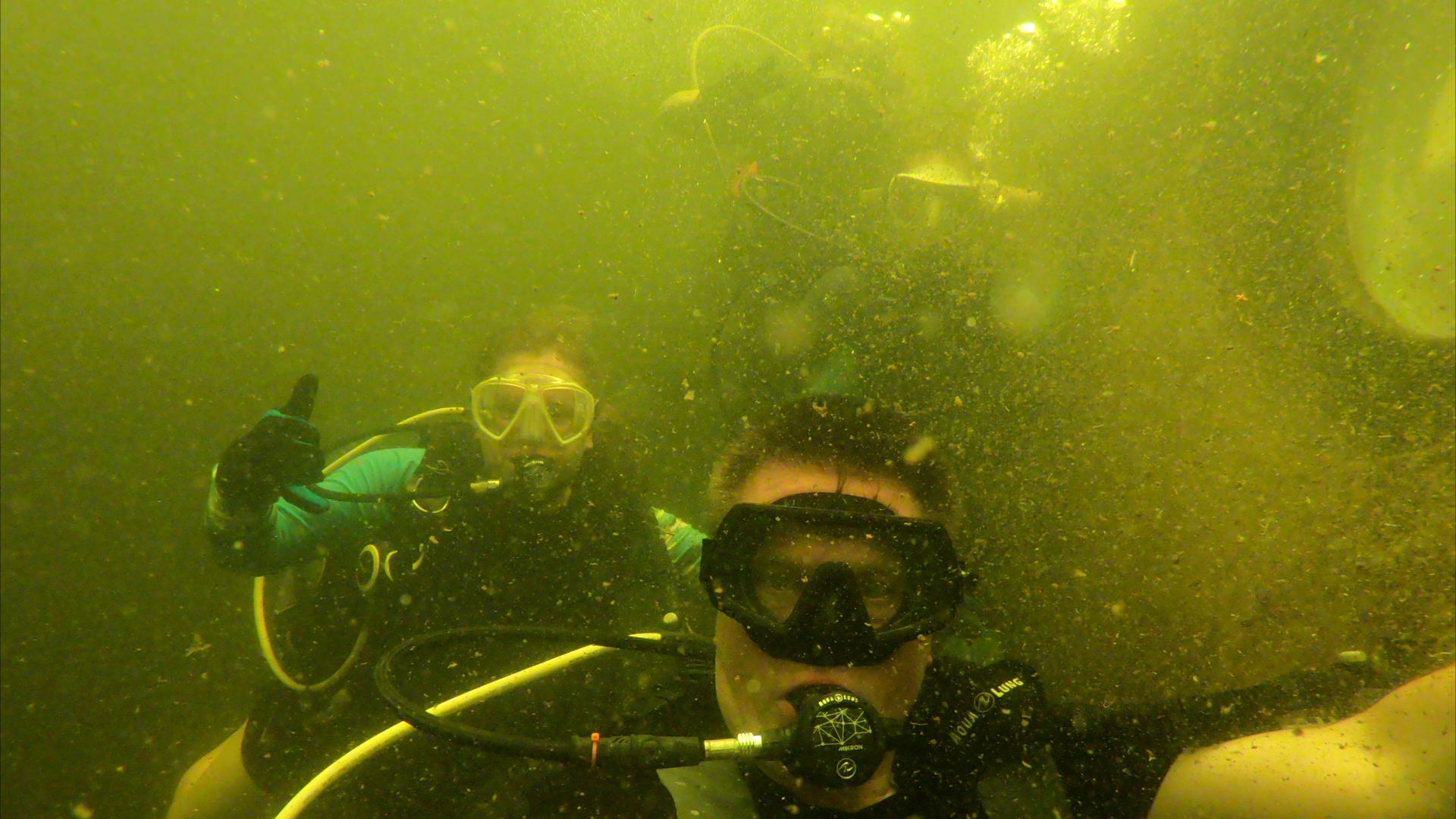
On this excursion, I was leading a simulated space mission underwater called SEA STAR. My "spacesuit" was actually scuba diving gear, and the simulated spacewalks, or EVAs (Extra-Vehicular Activities), included outings where we explored underwater environments. Being underwater, if we encountered a major problem with our gear, we would have had to treat it as seriously as if we were astronauts on the International Space Station. There was no immediate "out." This was serious.
Before this underwater mission, I had worked as the commander of nearly 40 analog missions that simulated crewed missions to the moon and Mars. The goal of these types of missions is to test what living and working in lunar or Martian environments might be like. We study everything from the psychology of living in extreme conditions, or in isolation, to the technology that astronauts might use to complete those missions successfully.
Testing spacesuit technology is also an important part of these analog space missions. These suits are usually a much simpler version of the ones astronauts use in space, which can weigh around 310 pounds (141 kilograms) when fully equipped with life support systems.
Analog spacesuits usually weigh a maximum of 30 pounds (14 kg). While there are many differences between suits designed for use in space and these suits designed for testing on Earth, the biggest one is that, on an analog mission, crew members can open their helmets and breathe the outside air if necessary.
Astronauts in space don’t have that advantage. But neither do aquanauts, those performing a simulated space mission underwater.
Aquanauts spend at least 24 hours underwater in a so-called state of saturation. That’s a physiological condition achieved by a person who breathes underwater long enough for the body’s tissues to absorb the maximum possible amount of inert gas (like nitrogen), for a specific depth and pressure.
Water leaking into our suits or into our underwater habitat can pose serious risks for the crew, as well as health problems related to the higher pressures underwater, amongst other challenges unique to this environment.