// TOM'S HARDWARE US — HARDWARE & GADGET
Malaysia seizes $12 million worth of advanced AI chips hidden inside 30 servers
Authorities have seized $25 million worth of chips in cases linked to syndicate
When you purchase through links on our site, we may earn an affiliate commission. Here’s how it works.
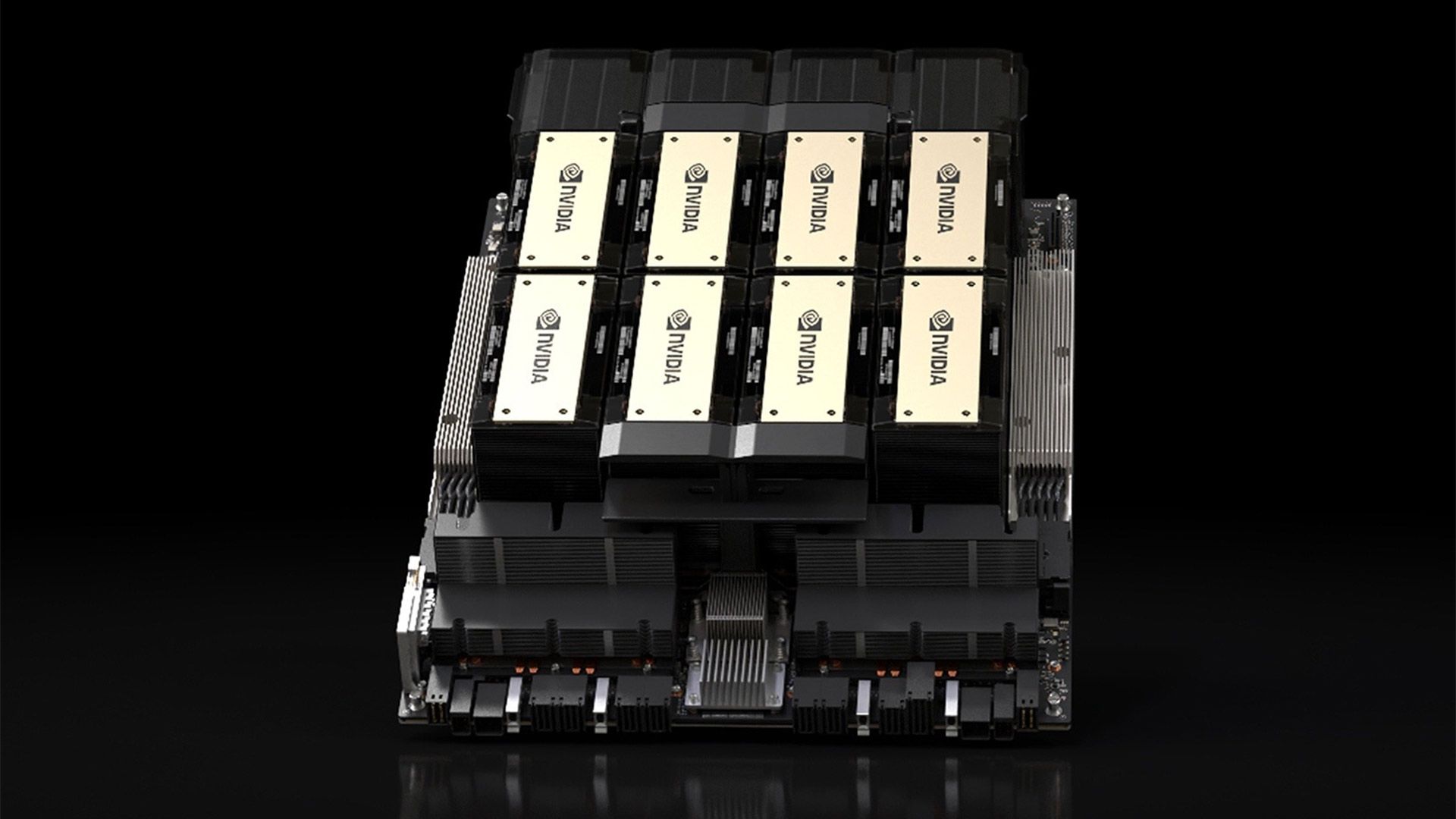
Malaysian customs have seized over $12 million (49.5 million Malaysian ringgit) worth of advanced AI chips in a single bust, as the country clamps down on a suspected semiconductor smuggling syndicate. According to a Reuters report on October 28, officials found 30 servers containing the chips at Kuala Lumpur International Airport’s free trade zone on October 15th. Initial investigations revealed that the shipment originated in an Asian country and was bound for another undisclosed Asian country.
The airport’s customs director, Aspalila Ag Tuah, confirmed that the servers were falsely declared as ordinary electronic goods, saying the suspected scheme used Malaysia as a transit point to avoid restrictions on the goods’ onward movement. The Malaysian company involved in the shipment has been summoned to assist in the investigation.
Authorities suspect that the foiled smuggling attempt was carried out by the same group responsible for a similar attempt last June. On June 5, customs officers discovered 72 server units containing advanced AI chips at the Kuala Lumpur International Airport, valued at approximately $13 million. This shipment had also been falsely declared as computer components and was meant to be reshipped without the required permit. Aspalila said the network has been linked to seizures worth over $25 million so far across at least five cases. She declined to provide further information on the network or the current case, citing ongoing investigations.
Several key facts remain unknown, including the chip type, country of manufacture, final destination, and intended recipient — whether a company or a military organization. The U.S. had placed export controls on the movement of advanced Nvidia and other U.S.-origin AI chips to China, the most likely destination for the seized chips. Smuggling networks began using Malaysia, a U.S. ally not affected by the controls, as a hub, exporting the banned chips to the country before re-exporting them to China.
While the country’s geographic location and mature logistics infrastructure make it important for legitimate international trade, these characteristics also make it ideal for smuggling sensitive technology. To restrict this avenue, Malaysia subsequently imposed export controls on the movement of advanced AI chips of U.S. origin, at Washington’s request. Other Asian U.S. allies, such as Singapore and Taiwan, have implemented similar controls. Demand for powerful Nvidia GPUs remains high in China, fueling a booming market for smuggled hardware.
Follow Tom's Hardware on Google News, or add us as a preferred source, to get our latest news, analysis, & reviews in your feeds.
Get Tom's Hardware's best news and in-depth reviews, straight to your inbox.
Etiido Uko is a news contributor for Tom's Hardware covering the latest updates in big tech and the PC industry. He is a mechanical engineer and senior technical writer with over nine years of experience in documentation and reporting. He is deeply passionate about all things engineering and technology, and is an expert in gadgets, manufacturing, robotics, automotive, and aerospace.