// TOM'S HARDWARE US — HARDWARE & GADGET
Apple finally has a touchscreen MacBook. Why now?
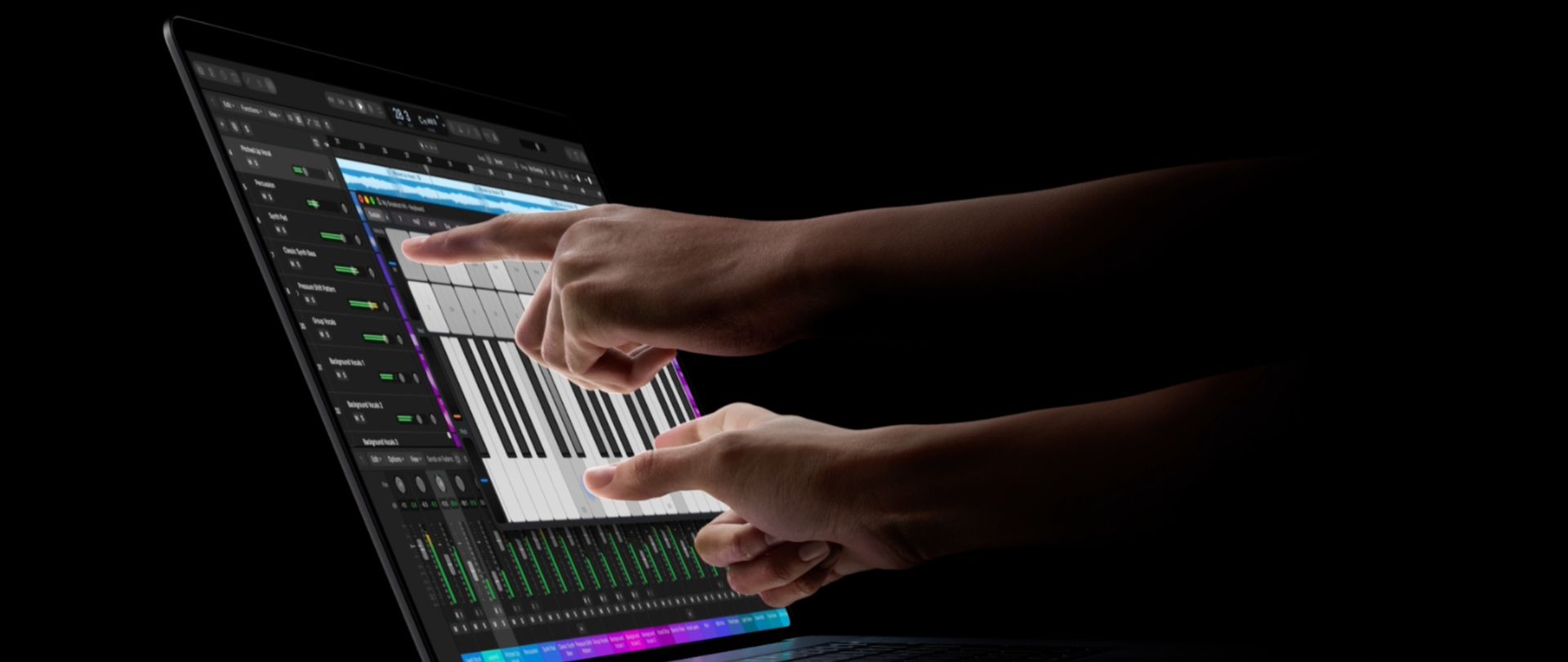
The Windows world has had touch for over a decade. Is Apple getting in the right way?
When you purchase through links on our site, we may earn an affiliate commission. Here’s how it works.
Last week, Apple finally brought two new display technologies to the MacBook Pro: OLED and touch. For the former, it was just a matter of time; Apple has been using OLED in the iPhone and Apple Watch for years, and also just brought it to the iPad Mini. But touch has never felt like a sure thing. While many of Apple's most successful products have relied on touch: the iPhone, the iPad, the Apple Watch, and some late-stage iPods all featured touchscreens. But until now, it never made its way to Apple's laptops.
Former Apple CEO Steve Jobs' words are infamous: "It's ergonomically terrible," he said of touchscreen laptops in 2010, describing how "your arm wants to fall off" due to fatigue. "Touch surfaces want to be horizontal," he added.
Since then, touchscreens have become ubiquitous on Windows PCs and Chromebooks. Outside of the Touch Bar, which was ultimately reversed because Mac users were not fans, Apple hasn't had a real touchscreen on the Mac.
That changed, as the company announced 14-inch and 16-inch MacBook Pros with "PROLED XDR" displays with, yes, touch support. The devices are also lighter than existing MacBook Pros, have updated speaker systems, and, yes, are more expensive.
Apple eschewed touch on its laptops for years. But it seems, however, that at least some Mac owners disagreed.
"Apple tends not to move to a new technology until it can bring to market a differentiated product," Tom Mainelli, group vice president of device and consumer research at IDC, told Tom's Hardware. "Based on all the demos they are showing here in LA, the drive for 'why now' is because they see a desire for touch from creators who use the Mac."
He added: "The more business-focused answer is the company is creating further segmentation in a mature market, offering a new, more premium tier to its pro lineup."
There's one last uphill climb that the touchscreen on the new MacBook Pro faces: the price. After all, the touchscreen is debuting on just the new, redesigned 14- and 16-inch models.