// TECHCRUNCH — INTELLIGENZA ARTIFICIALE
Serve Robotics launches new business to become the AWS for robots
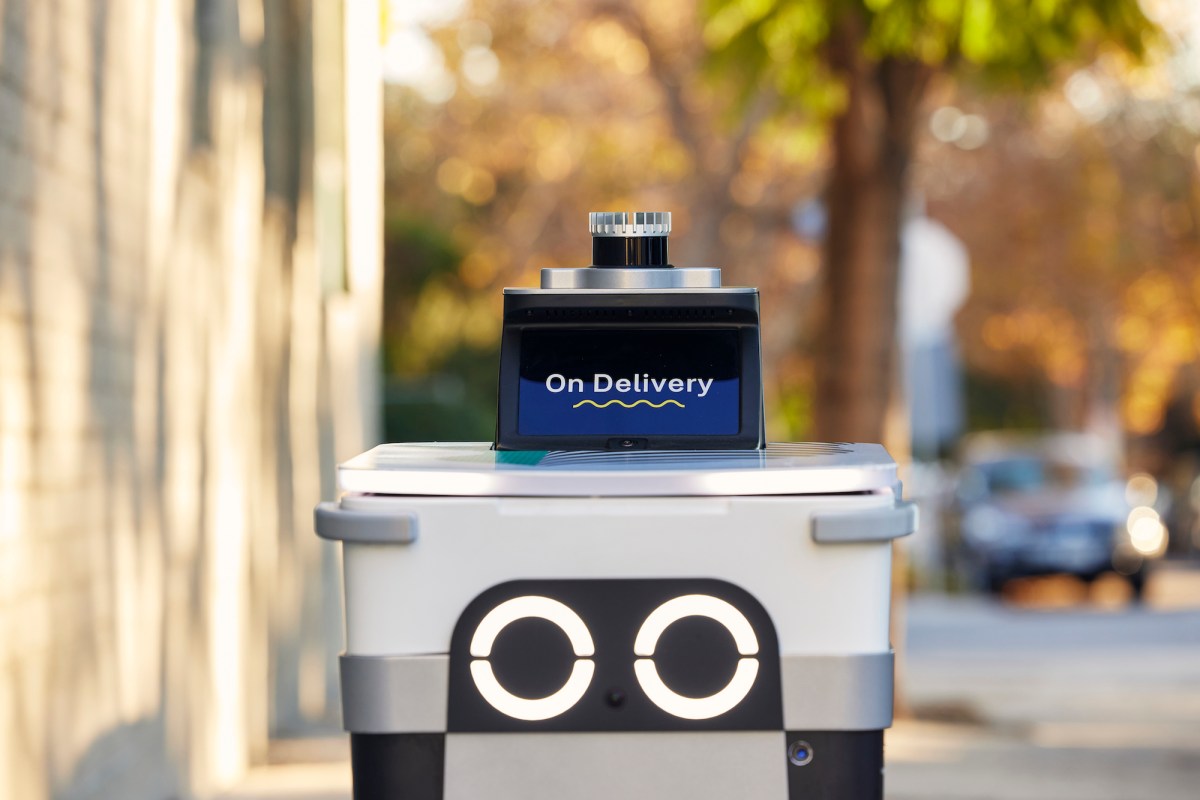
Serve Robotics, a maker of self-driving sidewalk delivery robots, is expanding beyond its autonomous delivery operations in a bid to become a technology supplier to other companies building robots.
The company, which spun out of Uber’s acquisition of Postmates in 2021 and went public in 2024, said Thursday it will launch a new business line called Physical AI Services.
Specifically, Serve Robotics will offer customers its connectivity and data tools. Bedrock Robotics, a startup developing self-driving systems for construction equipment, is a customer, according to Serve. It’s also working with T-Mobile to bring AI computing power closer to robots, Serve announced alongside its third-quarter earnings on Thursday.
“We are solving the problem of robots in human spaces,” Serve Robotics CEO and co-founder Ali Kashani told TechCrunch.
Serve Robotics already makes two kinds of robots, the cute googly-eyed sidewalk delivery robot and one designed for hospitals that it got through its acquisition of Diligent Robotics.
Those businesses are not going away, Kashani emphasized in a recent interview. Instead, he said there is opportunity to sell the technology it developed for its own robots to other companies developing robots for farms, warehouses, and other uncontrolled environments.
“I kind of think of it as the AWS moment where we are taking the technology we’ve built for us, and we’re opening it up for more people to build on,” he said, adding this wouldn’t have been possible without developing its own robot fleet.
The expansion comes as Serve’s sidewalk delivery business expands, but is shifting away from Uber and toward other partners, including DoorDash and Wonder.
Its new Physical AI Services business line will offer three products. Serve Link helps connect robots in the field to AI systems running in data centers, which would allow companies to potentially tap into more powerful AI models without having to put all that computing power onboard.
“Any robotic application generally needs to connect the robots to some offline intelligence, whether it’s to collect data or do exception handling or whatever,” said Kashani. “It’s the connectivity piece that has to be really high performance. You need to be able to manage really unreliable networks and still reliably connect, and that’s what we solve.”