// ENGADGET — MOBILE & WEB
Why you don't really need an expensive, high-end router
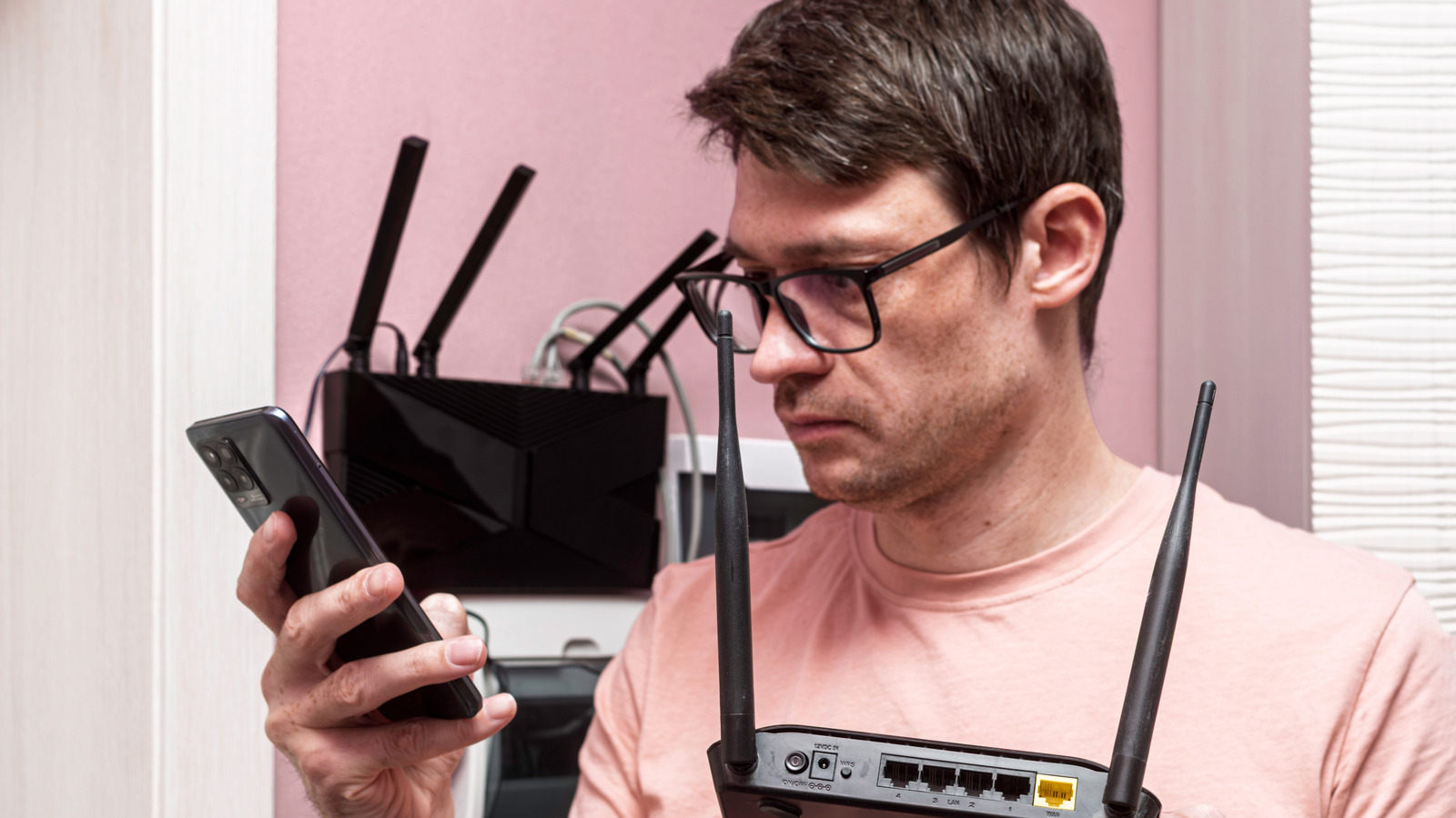
Speed has always been the main selling point for routers. Today's flagship models, like Netgear's Nighthawk RS700S, are rated for up to 19Gbps, come with two 10Gbps ports and eight antennas and sell for more than $500. For most households, that's money spent on a ceiling you'll never touch.
A budget router from a more affordable brand like Netgear or TP-Link, coming in at under $100, will handle the vast majority of what a typical home throws at it. Here's why you don't need a high-end router, and the few cases where spending more makes sense.
A router can't make your internet faster than your plan. The router takes the connection your provider delivers and shares it around your home, and that's the whole job. The FCC's benchmark for what is considered 'broadband' is 100Mbps down and 20Mbps up, so a budget broadband router only has to carry that to your devices without choking.
Before you shop, check what you're paying for. There is no sense in buying a router that transfers more data per second than what is coming in through your wall socket. A router rated far above your plan gives you nothing extra, because the bottleneck is the provider, not the box on your shelf.
You don't need a novel-length spec sheet. Four things matter:
Wired connections are still the most reliable way to hook up a desktop, a console or even a smart TV. Gigabit ports mean the router won't slow down anything plugged into it.
Useful for scheduling screen time and blocking sites on kids' devices. Most decent budget routers include them, often through a free app.
It's not just about the speed. Wi-Fi 6 is a protocol that handles many devices at once more gracefully than older standards, and that's the real day-to-day improvement: Different devices around the house don't fight for bandwidth.
Location is just as important as raw speed. A fast router in the wrong corner of the house might provide slow speeds where you actually sit. Match coverage to your space. In a larger home, a mesh kit or a second access point may help more than a pricier single router.
Wi-Fi 7 is the newest standard, and it's where most of the expensive routers live. Its headline feature is 320MHz channels in the 6GHz band, which the Wi-Fi Alliance says doubles throughput compared with Wi-Fi 6. This might sound like an enticing proposition, but there's a catch.