// ENGADGET — HARDWARE & GADGET
Which NVIDIA GPU is closest to the PS5? The answer isn't so simple
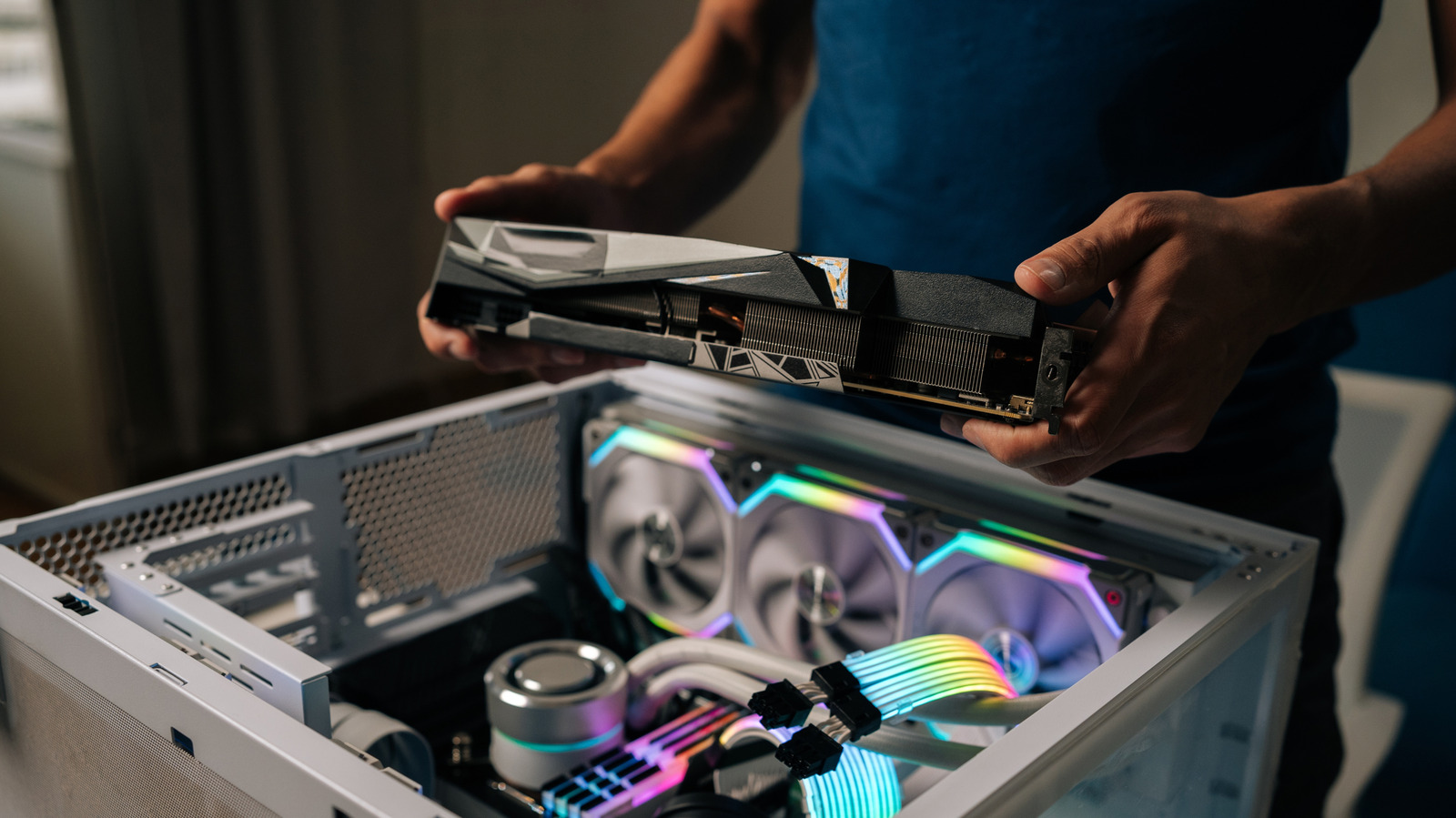
It's a bit like comparing apples and oranges, but this NVIDIA GPU will give you the closest results to a PS5
There's no getting around it: We're in an era where it's never been more financially-punishing to buy either a new console or PC hardware. Given that we're now dealing with a tech-savvy Sophie's Choice between a PS5 and the most affordable gaming PC you can put together for similar money, value has to be taken into consideration. Is mid-range PC gaming really that much better than what the current consoles can provide?
In an age where Sony and AMD are teasing the GPU tech they're building for the next PlayStation, it's understandable folks want to compare and contrast modern console and PC tech. If you're lucky enough to own a PS5 Pro before GTA VI launches, I say stick with the kit you have. Of course, there are also exceptions where high-end gamers might want to invest in PC hardware, so let's get into when those particular, pixel-counting scenarios make sense.
First of all, this is a bit of an awkward question, but we'll get to that. Are you happy with your PS5? Then keep being happy with your PS5. As someone who has been building PCs since 2004 — yes, I'm ancient — I can't recommend assembling a custom gaming rig in an era where RAMaggeddon has hideously skewed the prices of computer components. But if you really want to know what GPU most closely aligns to the PS5's graphics solution, I can point you in the right direction ... with caveats.
According to the frame-counting wizards at Digital Foundry, the graphics card that best matches the base PS5's APU is the NVIDIA RTX 2070 Super. Notice that I said "APU" rather than "GPU". That's because the PS5, like the Xbox Series X, uses a central chipset that handles both GPU and CPU tasks in a single processor.
As for the 2070 Super, this card is now three generations old, so it's hardly cutting edge by modern standards. Thanks to our current AI-obsessed timeline though, the cheapest model of this now seven-year-old card currently costs $280 on Amazon. That's around 53 percent of the $600 PS5 Digital Edition.
If you're wondering how to buy a GPU in 2026, you really should be looking at the second-hand market. The cost of new cards right now is utterly unhinged, so I'd never recommend dropping the thick end of $300 on a GPU that launched in 2019. Specs-wise, the 2070 Super has 8GB of GDDR6 memory, but that's not an apples to apples comparison with the PS5's system-wide 16GB of GDDR6 unified memory. The 2070 Super can produce PS5-level performance under the right conditions, but comparing the PS5's APU to Team Green's aging GPU isn't a straightforward prospect.
In September 2026, the fifth gen NVIDIA GeForce RTX 5060 was the second-most used card according to the Steam Hardware & Software Survey with 4.40 percent market share. This lower end Blackwell GPU supports the controversial DLSS 5 that has made the internet so upset. It also boasts 8GB of GDDR7 memory with a base clock of around 2280 MHz. Currently, you'll struggle to find this card retailing for less than $500.
Enter the PS5 Pro. Sony's supercharged system now costs an inflated $1,250 (it originally launched in late 2024 at $700). In the middle of a PS5 Pro shortage, GTA 6 is only making things worse. Talking specs, the big boy PS5 leans on a custom AMD Zen 2 8 core/16 thread "Trinity" APU. While this represents a major boost over the standard PS5 in terms of GPU performance, in reality the CPU bump is only around 10 percent. That's why, in spite of the best efforts of PSSR, many Pro titles continue to fall below the sort of mid-range PC performance results you'd hope from a $1,000 box.
From a horsepower perspective, the 16GB RTX 5060 TI model and AMD's Radeon RX 9060 XT provide the best comparable performance to the raw horsepower of the PS5 Pro. But again, it's not a like-for-like comparison. With the right settings tweaks and a capable gaming CPU, either of these cards can outgun Sony's prosumer console.