// TOM'S HARDWARE US — HARDWARE & GADGET
AMD and Winbond vulnerabilities let attackers brute-force BitLocker PINs on millions of PCs
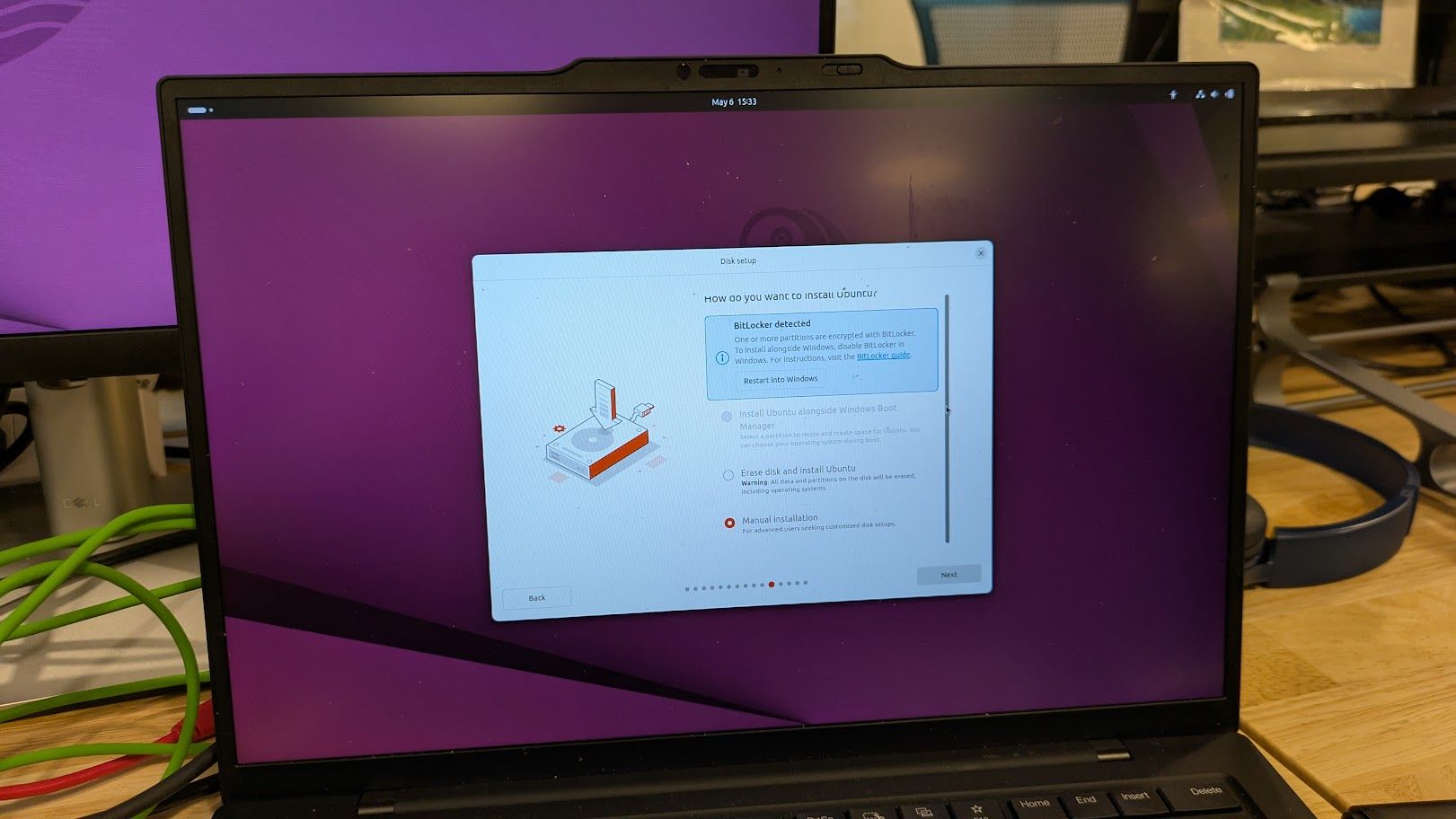
Machines using Winbond-based SPI flash not fixable without new hardware, while vulnerable AMD PCs likely need new BIOS files.
When you purchase through links on our site, we may earn an affiliate commission. Here’s how it works.
Former owners of laptops gained yet another concern today. Firmware-backed drive encryption setups like Windows' BitLocker are meant to protect against someone stealing your laptop or desktop computer. Prospective thieves would have a hard time guessing your PIN, as they'll eventually have to wait 10 minutes for each attempt. That is, unless your machine uses a modern AMD CPU or relies on Winbond's SPI flash — in which case your data may be open for inspection in a few days, or even hours, as researchers from Technische Universität Berlin found out.
The paper covers many vulnerabilities, but we'll focus on the big three. All focus on having a way to brute-force an encrypted drive's password in a matter of days/hours rather than years. Physical access is required for the attacks, but hardware theft is precisely the scenario that disk encryption is meant to protect against.
An attacker makes brute-forcing easier by resetting, or pretending to increase, the counter that records the number of failed unlock attempts. On Intel- and AMD-based PCs using the fTPM for security — nearly all modern x86 consumer machines — this counter is stored encrypted in an SPI flash chip on the motherboard.
Standard procedure is to allow for 32 attempts in succession, then force the machine to wait 10 minutes for each additional one, resulting in many years for unlocking a short PIN — 19 years for a six-digit numerical PIN, under normal conditions. We should note the attacks likely extend to other fTPM-based disk encryption mechanisms, not just BitLocker. While encryption keys can be alphanumeric, Microsoft Windows does default to using a numeric PIN for sign-in, and most users don't use long ones.
First up: machines based on Winbond's RPMC-enabled SPI flash (variant with rollback protection), used by many OEMs across both Intel and AMD platforms. Although it's hard to pin down the number of affected machines, the paper claims Winbond has roughly a 25% market share for SPI flash — so, potentially millions of machines. With a simple voltage glitch, the researchers made the chip reveal the HMAC key, the datum that signs commands when the TPM and the SPI chip talk to each other.
With the HMAC in hand, the thief places a low-cost interposer board in front of the SPI chip to impersonate it. On a failed unlock, the computer will request a counter increase and get a confirmation, when in reality nothing happened — allowing for repeat attempts as fast as Windows lets them, at five per reboot. There is no fix for this vulnerability other than replacing the SPI chip with one that doesn't contain the bug.
The team glitched two specific Winbond chip models, but they theorize the issue extends further into the maker's lineup, as the flaw allegedly lies with the RPMC engine design. Flash chips from other firms in the test were not affected to the same extent.
Get Tom's Hardware's best news and in-depth reviews, straight to your inbox.