// SPACE.COM — SPAZIO & SCIENZA
Who turned the W upside down? Why Cassiopeia won't sit still
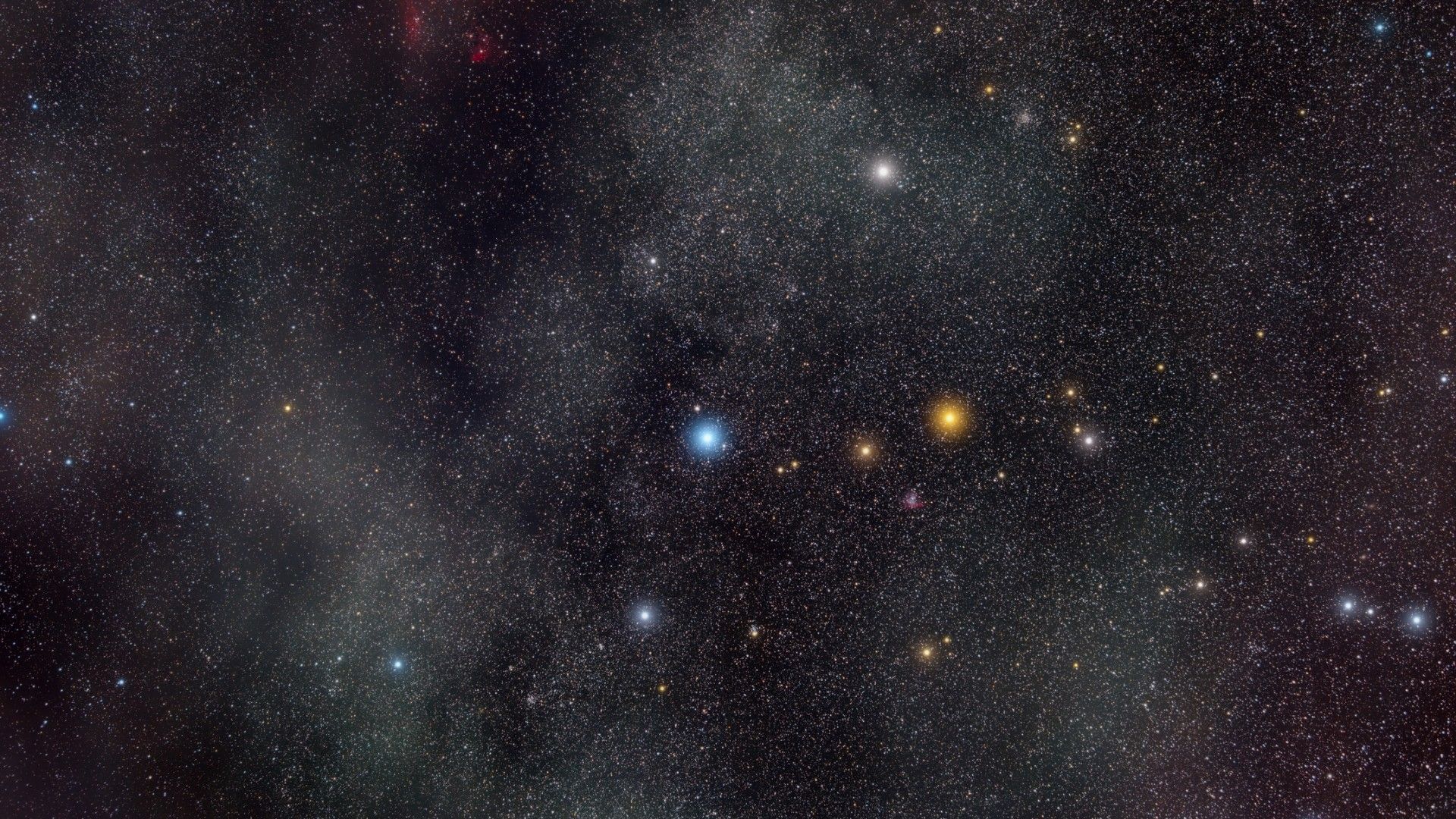
The queen in the northern night sky is supposedly one of the easiest constellations to recognize — you just look for a W. Or is that an M?
When you purchase through links on our site, we may earn an affiliate commission. Here’s how it works.
Some constellations are like old friends. You know them well, they're always there, and they never seem to change. A case in point is Cassiopeia, the queen. Its beautiful name comes from Greek mythology — the mother of Andromeda — and its shape is said to represent a queen sitting on a throne. To a stargazer, Cassiopeia is best known as a prominent northern constellation shaped like the letter W.
It's easy to find — look north, find five reasonably bright stars making a W, congratulate yourself on finding Cassiopeia and use it to get somewhere more interesting. It's so often a signpost, not a destination.
But look north a few hours after dark this month, and you'll notice the W has gone. The five stars are still there, but the shape you may have memorized looks like it's been picked up and turned over. It looks more like an E or an M, depending on when you look. Now try and look for the Big Dipper/the Plough. It's gone.
Nothing mysterious has happened, of course. Cassiopeia is doing exactly what it always does, but it's a reminder that the northern sky is where you can easily watch the stars move — and the seasons turn.
Late November is an excellent time to reacquaint yourself with Cassiopeia from anywhere in the Northern Hemisphere. Look high in the northern sky during the evening for its five prominent stars — Caph, Schedar, Navi, Ruchbah and Segin. Depending on exactly when you look, it can look like a W, E, M or a 3.
This is because Cassiopeia is circumpolar. Rather than rising in the east and eventually setting in the west like many familiar constellations, it circles the north celestial pole — a position currently held by Polaris, the North Star. From sufficiently northerly latitudes, its main stars never disappear below the horizon.
This gives us a simple observing experiment. Find Cassiopeia in the early evening and remember its orientation relative to the horizon. Go back several hours later and look again. The constellation has moved around Polaris, and its shape has changed. The stars haven't changed their arrangement — Earth has simply rotated from west to east. We all know this logically, but watching the familiar pattern of Cassiopeia's stars apparently tip over during a single night makes Earth's rotation a lot less abstract.
I'm going to observe Cassiopeia twice on the same evening this week, which is about as complicated as the experiment needs to get. The first time will be shortly after darkness falls. I'll find the W, note which way it seems to be pointing and use something fixed — a rooftop, tree or chimney — to give myself a rough reference for its position. I'll return to my backyard before bed, and see where the pattern has shifted. Cassiopeia's main stars are bright enough to survive urban and suburban light pollution, so you don't need a particularly dark sky or a telescope.