// ENGADGET — GAMING
5 ways to make sure your console isn't holding back your GTA 6 performance
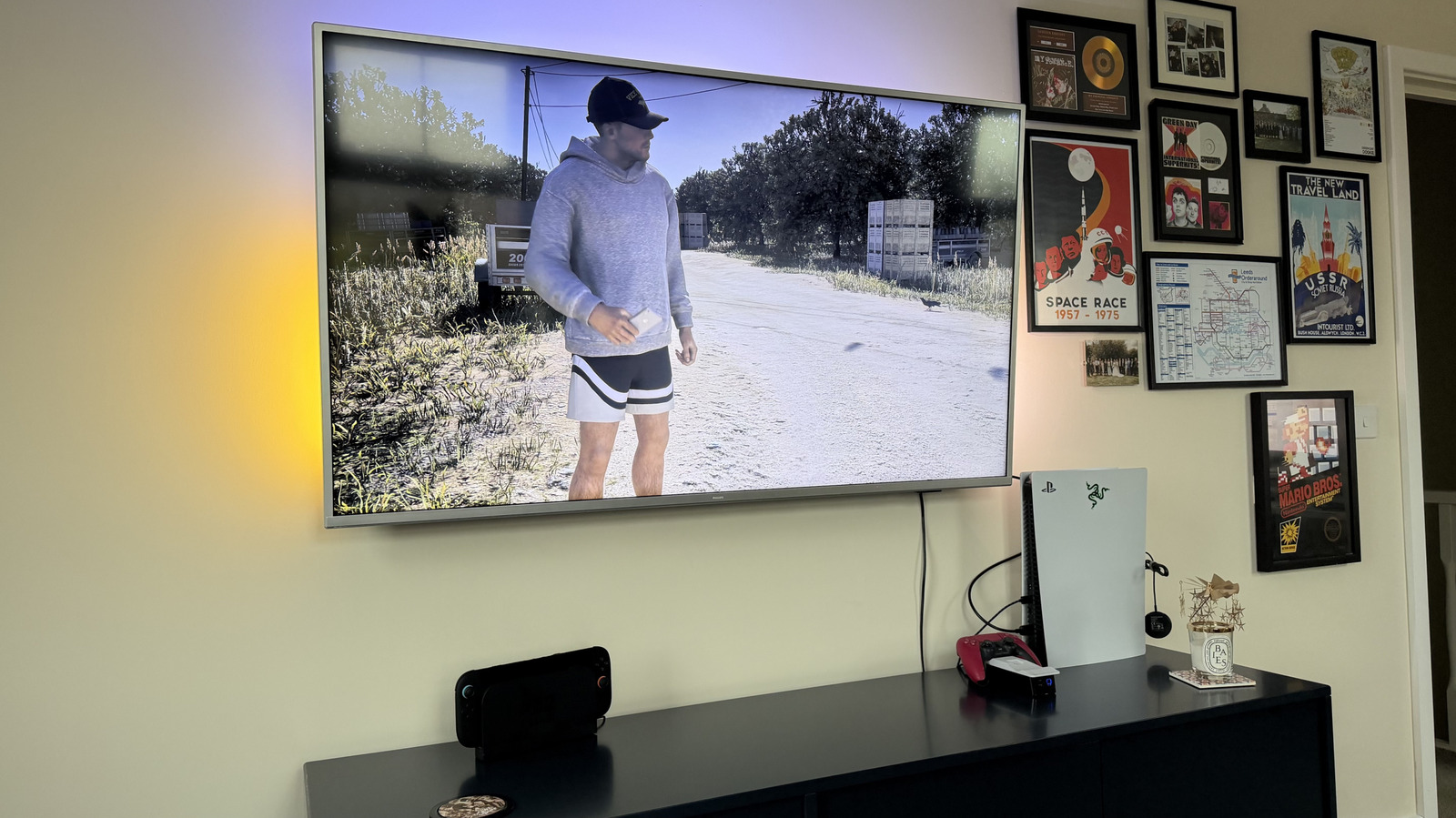
GTA 6 already pushes every PS5 and Xbox to its limit, but is yours falling short of it?
Within days of GTA 6's November 19 debut, Xbox owners had found a way to break its 30 fps cap. The trick, which was first reported on November 22, involves flipping a Series X's output between 60Hz and 120Hz, then hopping in and out of the game using Quick Resume. It works... sort of. When Digital Foundry tested the trick, it found the uncapped Series X averaged about 36 fps over an hour of play. The game's cars and animations also moved noticeably faster than they're meant to (some at around double speed).
It's fundamentally the processor that's holding GTA 6 at 30 fps on current-gen consoles (PS5 Pro included). The fact that a Series X with the limiter switched off is only able to find six extra frames per second illustrates how little is left to play with, so tinkering with settings isn't going to do very much. What you can do, however, is check whether your console is making the most of its available hardware.
A system that's out of date, stuck in a stale session, choked with dust or reading the game off the wrong drive could easily fall short. Here's how to find out if yours is falling victim to any of these problems.
I've played around 60 hours of GTA 6 in the last week on an original-model PS5 I bought in 2021, and haven't seen too much dipping below 30 fps outside of full-on rampages. There are some drops, though, which aligns with others' findings that it regularly falls slightly under 30 fps during ordinary city drives, and dropped to 23 fps during a grenade launcher test with multiple explosions. The PS5 Pro fares much better, with stress tests finding that it maintains 30 fps for the most part, only dropping to around 24 fps when the player wrecks as many cars as possible all at once.
The Series X, meanwhile, generally holds its 30 fps target but can slip during busy scenes and explosions. The Series S, which renders at 720p internally, struggles quite a bit. It hovers between 25 and 30 fps for most of the game and drops to as low as 20 in busy areas and when vehicles start blowing up, with one explosive scene briefly tanking it to 18 or 19 fps during Kotaku's testing.
Since consoles don't have built-in frame rate counters, the simplest way to monitor fps is to watch for stuttering. If the action gets choppy during firefights, police chases, explosions and pile-ups, your frame rate is dropping, which is somewhat normal for current-gen console hardware. You shouldn't be losing frames during cutscenes or when walking or driving around normally, even on a Series S.
If you are, that's a sign something else is amiss with your console. As for native 40 or 60 fps modes, Rockstar's technology production director Marc Chambers has said that even the PS5 Pro's processor isn't powerful enough, settling a major question about GTA 6's controversial FPS decision.
Rockstar released GTA 6's first post-launch update on November 23. The patch notes describe fixes for several issues that caused the game to crash, along with bugs that could stall playthroughs, from broken autosaves to story phone calls that wouldn't come through. Nowhere in the patch notes is frame rate or performance mentioned, though. The rumor mill started spinning up shortly after, claiming that Rockstar would push a stuttering fix on November 25, but nothing came of it.
To check whether your game is up to date on PS5, highlight GTA 6 on the main menu, press the Options button on your controller and select Check for Update. Xbox players should go to My games & apps, choose Manage and then check under Updates to see titles that have newer versions available. Storage might be an issue, given the base game's absolutely massive 212GB size. Sony has warned that installing data can require roughly twice as much free space as the install size, so a console that's filled to the brim might refuse to install the patch.